How to Store Artichokes to Keep Them Fresh as Long as Possible
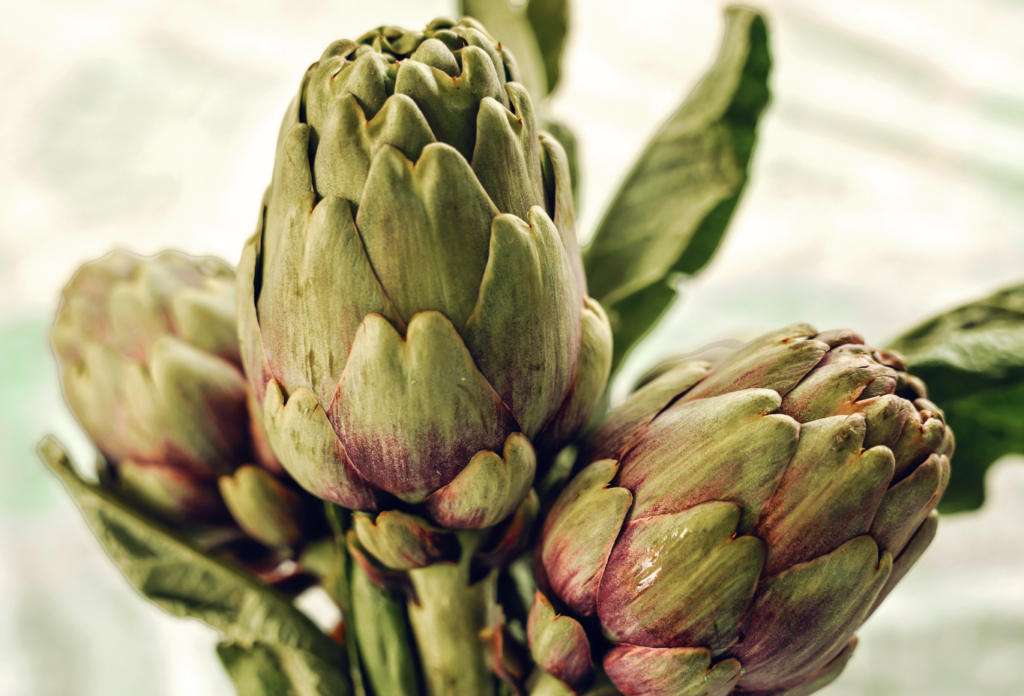
Why Knowing How to Store Artichokes is Important
Artichokes are known for their high moisture content and unique structure, which makes them susceptible to wilting, browning, and spoilage. Improper storage can lead to premature decay and waste.
Why is Proper Food Storage Important in the Kitchen
Proper food storage is essential for ensuring safety in the kitchen, as it helps prevent foodborne illnesses and contamination. By maintaining appropriate temperatures and utilizing airtight containers, the risk of bacterial growth is significantly reduced.
In This Article
Additionally, organized storage practices minimize cross-contamination between raw and cooked foods, further safeguarding health. Understanding the importance of food storage not only promotes hygiene but also extends the shelf life of ingredients, contributing to overall kitchen efficiency and safety.
Proper food storage significantly influences cooking methods by ensuring that ingredients maintain their quality and safety. When food is stored correctly, it retains its flavor, texture, and nutritional value, which can enhance the overall outcome of a dish. For instance, fresh produce stored at appropriate temperatures can be used in salads or stir-fries, while improperly stored items may lead to spoilage, affecting the cooking process and the final result.
By knowing how to store artichokes correctly, you can preserve the freshness of artichokes and reduce the likelihood of them going bad too soon.
Different Methods for How to Store Artichokes
- 5–7 days in the refrigerator when stored properly
- Up to 10 days if kept well-hydrated and cold
- Several months if frozen correctly
How to Store Artichokes in the Refrigerator
- Do not wash them first. Moisture causes spoilage. Wash only when you’re ready to cook.
- Trim the stems slightly. Cut about ½ inch off the bottom to help the artichoke absorb moisture.
- Wrap in damp paper towels. Lightly dampen a paper towel and wrap it around the artichoke to keep it hydrated.
- Place in a breathable bag. Use a perforated plastic bag or loosely seal a produce bag.
- Store in the crisper drawer. Keep them in the coldest part of your fridge (around 34–38°F).
 Pro Tip:
- Store artichokes away from ethylene-producing fruits like apples and bananas, which can cause faster spoilage.
- After wrapping the artichokes in a damp towel, place them in a perforated plastic bag. The holes in the bag allow air to circulate, preventing mold or rot.
- Store the wrapped artichokes in the crisper drawer of your refrigerator. This is the coolest part of the fridge, which is perfect for prolonging the freshness of vegetables.
By following these steps, you can expect your artichokes to stay fresh for about 4 to 7 days.
How to Store Artichokes in Water
If you want to extend the freshness of your artichokes for a little longer, try storing them upright in a glass of water. Here’s how:
- Trim the Stems: Cut off about 1-2 inches from the bottom of the stems. This allows the artichokes to absorb water more effectively.
- Place in a Bowl of Water: Stand the artichokes in a shallow bowl or glass of water, similar to how you would store cut flowers.
- Cover with a Plastic Bag: Loosely cover the artichokes with a plastic bag to retain moisture and keep them fresh.
This method can extend the shelf life of your artichokes for up to 1 week. However, be sure to change the water every 1-2 days to keep it fresh.
How to Store Artichokes that Are Cut or Cooked
Storing Cut Artichokes
Once cut, artichokes oxidize quickly.
- Rub cut surfaces with lemon juice
- Store in an airtight container
- Refrigerate for up to 24 hours
Storing Cooked Artichokes
Cooked artichokes last longer than raw cut ones.
- Allow to cool completely
- Store in an airtight container
- Refrigerate for 3–5 days
How to Store Artichokes for Long Term
Blanch and Freeze Artichokes
- Trim the Artichokes: Start by trimming the tops of the artichokes and cutting the stems.
- Blanch in Boiling Water: Bring a pot of water to a boil and add the artichokes. Let them cook for 3-5 minutes to soften them slightly.
- Ice Bath: After blanching, immediately transfer the artichokes into an ice bath to stop the cooking process.
- Freeze: Once they’re cool, place the artichokes on a baking sheet in a single layer and freeze them until solid. Afterward, transfer the frozen artichokes to a freezer-safe bag or container.
Freezing Artichoke Hearts
How to Know if Artichoke is Bad
Fresh artichokes should feel firm, heavy, and tightly closed. Knowing when your artichokes are no longer fresh is important to avoid consuming spoiled produce. Here are some common signs that your artichokes are past their prime:
- Wilting or Dryness: If the leaves feel dry or the artichokes are wilting, they’re no longer fresh.
- Bad Odor: A strong sour or rotten odor is an obvious indicator the artichoke is bad.
- Brown or Black Tips: Browning on the leaves, particularly the tips, is a sign of age and deterioration.
- Slimy or Discolored Stems: If the stems are slimy or have dark spots, discard the artichoke.
Conclusion for How to Store Artichokes
Properly storing artichokes ensures that you enjoy them at their best, whether you’re planning to eat them fresh or cook them later. The key is maintaining their moisture and keeping them in a cool environment. By refrigerating, using water storage, or freezing, you can extend the life of your artichokes and reduce waste.
Remember to check for any signs of spoilage before using them, and you’ll always have fresh artichokes on hand for your next meal.
Types of Artichokes
There are several varieties of artichokes, each with unique characteristics and culinary uses. The most common type is the globe artichoke, known for its large, rounded buds and tender leaves, making it a popular choice for steaming and grilling.
Another variety is the Jerusalem artichoke, which is actually a tuber rather than a true artichoke; it has a nutty flavor and is often used in soups and salads.
Additionally, the baby artichoke, a smaller version of the globe artichoke, is prized for its delicate taste and is frequently used in Mediterranean dishes. Each type offers distinct flavors and textures, contributing to their versatility in various cuisines.