How to Prepare Broccoli That Tastes Good Whether Fresh or Frozen
Broccoli is a nutrient powerhouse, but many people struggle to make it taste good. Whether you’re cooking fresh broccoli or using frozen, there are simple tips and tricks to make this vegetable side more flavorful and enjoyable.
In this guide, we’ll explore different techniques to make broccoli taste good. Bland broccoli can now be a mouthwatering side dish that even the pickiest eater would like.
In This Article
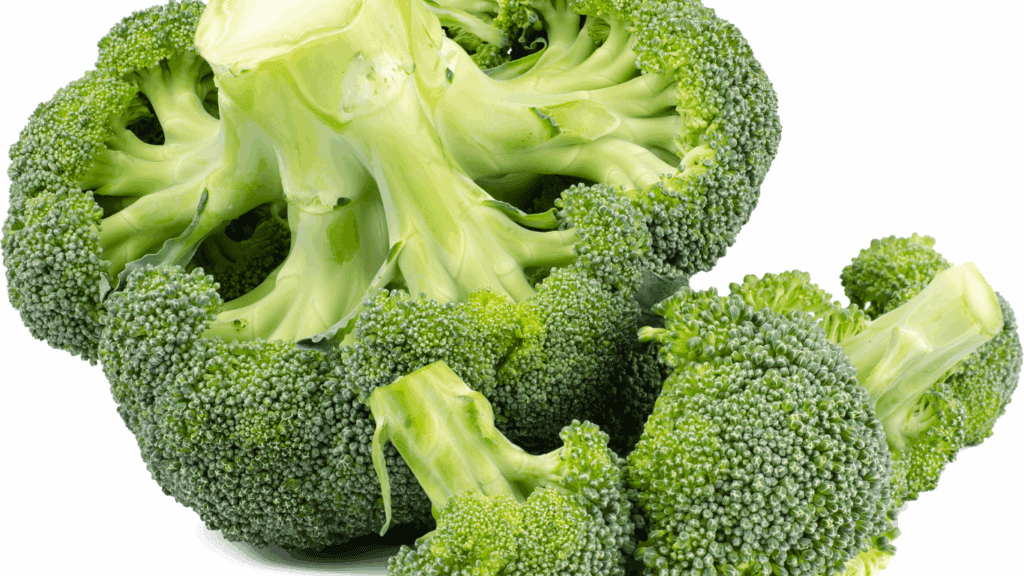
How to Prepare Broccoli: Fresh
Many people tend to prepare broccoli in the same way, often opting for steaming or boiling. If you’re looking to add some excitement to your meals, it’s time to explore a variety of cooking methods for how to prepare broccoli that really tastes good.
How to Prepare Broccoli Using the Steaming Method
Steaming is one of the healthiest ways for how to prepare broccoli while preserving its nutrients. However, steaming can sometimes result in a bland flavor if not done correctly.
- Wash the broccoli thoroughly and cut it into florets.
- Fill a pot with about an inch of water and bring it to a boil.
- Place broccoli in a steamer basket, cover with a lid, and steam over the boiling water for about 5-7 minutes, or until tender but still bright green.
- After steaming, drizzle a little olive oil or melted butter and season with salt, pepper, garlic, or Parmesan for added flavor.
You can also steam broccoli in the microwave by placing the florets in a microwave-safe bowl with a little water, covering it with a microwave-safe lid or plate, and microwaving on high for about 3-4 minutes.
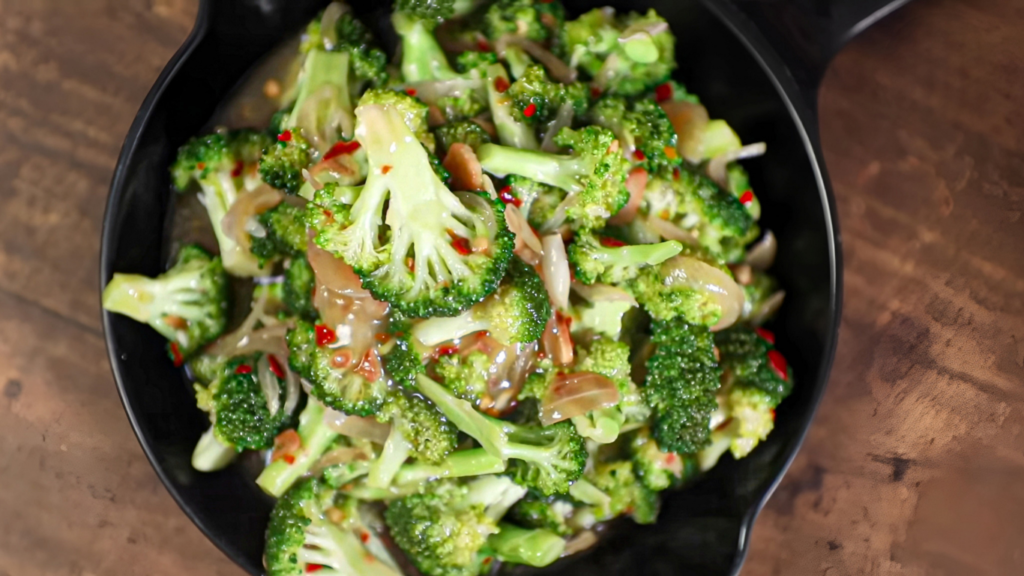
How to Prepare Broccoli by Sautéing
How to Prepare Broccoli by Roasting
When it comes to roasting vegetables, broccoli is a great candidate for this cooking method. With just a few seasonings and some olive oil, you have a simple, crispy broccoli dish.
1. Preheat your oven to 425°F.
2. Simply toss the broccoli florets with olive oil, salt, and pepper.
3. Spread them out on a baking sheet.
4. Roast for about 20-25 minutes, shaking the pan halfway through, until the edges are crispy.
5. As a final touch, finish them off with a flourish of lemon and parmesan cheese.
Why Blanch Fresh Broccoli?
Blanching fresh broccoli enhances flavor while maintaining the vibrant green color. Likewise, the pre-cooked broccoli makes for an enjoyable tender and crisp texture. Not to mention, it can help preserve its vitamins and minerals.
1. Bring a large pot of salted water to a boil.
2. Add the broccoli florets and cook for 2-3 minutes until bright green and tender-crisp.
3. Immediately transfer the broccoli to a bowl of ice water to stop the cooking process.
Ideally, if you want to freeze the broccoli florets, blanching is a perfect method to assure the broccoli maintains its crisp texture.
Can I Prepare Broccoli in the Microwave?
Cooking fresh broccoli in the microwave is a quick and easy way to prepare this nutritious vegetable. It’s a great option when you don’t have a lot of time or don’t want to heat up your kitchen with the stove.
1. Place broccoli florets in a microwave-safe dish.
2. Add a few tablespoons of water.
3. Cover with a microwave-safe lid or plastic wrap, leaving a small corner open to vent.
4. Microwave on high for 3-4 minutes.
How to Prepare Broccoli Fresh on the Grill
Cooking fresh broccoli on the grill couldn’t be easier. Plus, the broccoli takes on an amazing smoky, savory flavor that is irresistible.
1. Toss broccoli florets with olive oil, salt, and pepper.
2. Place them on a grill pan or directly on the grill grates.
3. Grill over medium-high heat for about 5-7 minutes, turning occasionally, until charred and tender.
How to Prepare Broccoli: Frozen
Benefits of Preparing Frozen Broccoli
Convenience: Frozen broccoli is pre-washed, chopped, and ready to cook, saving you time in the kitchen. It can be stored in your freezer for months, making it a great option for quick meals.
Reduced Waste: With frozen broccoli, you can take out only what you need, minimizing food waste. There’s no need to worry about fresh broccoli spoiling before you have a chance to use it.
Cost-Effective: Frozen vegetables are often more affordable than fresh ones, especially when they are out of season. This makes frozen broccoli a budget-friendly way to incorporate more veggies into your diet.
Versatility: Frozen broccoli can be used in a variety of dishes, from stir-fries and casseroles to soups and salads. Its mild flavor pairs well with numerous ingredients, making it a versatile addition to your culinary repertoire.
Different Ways for Cooking Frozen Broccoli
How to Prepare Broccoli Frozen by Steaming:
Steaming is one of the best methods for how to prepare broccoli that is frozen as it preserves its nutrients and vibrant green color
- Place frozen broccoli in a steam basket or steam pot over boiling water.
- Cover and steam for about 5-7 minutes or until tender.
- Season with salt, pepper, and a squeeze of lemon juice before serving.
How to Prepare Broccoli Frozen by Boiling:
Boiling is a quick and straightforward method, although it may lead to some nutrient loss.
- Bring a pot of salted water to a boil.
- Add frozen broccoli and cook for 3-5 minutes.
- Drain and rinse under cold water to stop the cooking process.
- Toss with olive oil, garlic, or your favorite seasoning.
Cooking Frozen Broccoli by Sautéing
- Heat a tablespoon of oil in a sauté pan or skillet over medium heat.
- Add frozen broccoli and cook for about 5-7 minutes, stirring occasionally.
- Add garlic, soy sauce, or chili flakes for extra flavor.
How to Prepare Broccoli Frozen by Roasting
Roasting gives frozen broccoli a delicious caramelized flavor and crispy texture.
How to Roast Frozen Broccoli:
- Preheat your oven to 425°F (220°C).
- Toss frozen broccoli with olive oil, salt, pepper, and your choice of spices.
- Spread on a baking sheet and roast for 20-25 minutes, flipping halfway through.
How to Prepare Broccoli Frozen by Microwaving
- Place frozen broccoli in a microwave-safe bowl with a splash of water.
- Cover with a microwave-safe lid or plate.
- Microwave on high for 3-5 minutes, checking for doneness.
- Season as desired before serving.
Cooking Frozen Broccoli vs. Fresh
Which is better–fresh or frozen? Many home cooks find themselves torn between using fresh or frozen broccoli. Each option has its own merits, but is one cooking method better than the other? Let’s explore the differences, benefits, and cooking methods for how to prepare broccoli both frozen and fresh broccoli to help you make an informed choice.
Nutritional Value:
Fresh Broccoli: Fresh broccoli is typically harvested and sold shortly after being picked, which means it retains most of its nutrients. Rich in vitamins C, K, and A, as well as fiber and antioxidants, fresh broccoli is a great addition to a healthy diet. However, the nutritional value can diminish over time, especially if stored improperly or kept for too long.
Frozen Broccoli: Frozen broccoli is usually blanched (briefly boiled) before freezing, which helps preserve its nutrients. In fact, freezing can lock in vitamins and minerals, making frozen broccoli a comparable alternative to fresh. Studies have shown that frozen vegetables can sometimes retain nutrients better than fresh ones that have been stored for days or weeks.
Convenience and Shelf Life:
Fresh Broccoli: While fresh broccoli can be incredibly delicious and vibrant, it has a shorter shelf life. If not used within a few days of purchase, it can wilt and lose its crispness. Fresh broccoli requires washing, cutting, and sometimes peeling, which can add to meal prep time.
Frozen Broccoli: Frozen broccoli is the epitome of convenience. It’s pre-washed and pre-cut, ready to be tossed directly into your cooking. Plus, it can be stored in the freezer for months. As noted by the Department of Agriculture, frozen broccoli is always in season. Ideally, it is an excellent option for busy individuals or families who want to ensure they always have vegetables on hand.
Cooking Methods for How to Prepare Broccoli: Frozen vs. Fresh
Fresh Broccoli Cooking Methods:
- Steaming: This method helps retain the nutrients and bright green color of the broccoli. Steam for about 5-7 minutes until tender but still vibrant.
- Sautéing: Quickly sautéing fresh broccoli in olive oil with garlic can enhance its flavor while keeping it crisp.
- Roasting: Roasting fresh broccoli in the oven brings out its natural sweetness. Toss with olive oil, salt, and pepper, and roast at 425°F for 20-25 minutes.
Frozen Broccoli Cooking Methods:
- Microwaving: One of the quickest methods, simply place frozen broccoli in a microwave-safe bowl with a splash of water and cover. Microwave for about 3-5 minutes.
- Stir-Frying: Add frozen broccoli directly to a hot pan with oil. It may take a bit longer to cook than fresh, but it absorbs flavors beautifully.
- Boiling: Boil frozen broccoli for about 3-4 minutes. While quick, avoid overcooking to retain its nutrient profile.
Taste and Texture:
Fresh Broccoli: Many people argue that fresh broccoli has a superior taste and texture. Its crispiness and vibrant flavor can elevate a dish, making it a favorite for salads and raw applications.
Frozen Broccoli: While frozen broccoli can sometimes be softer due to the freezing process, it still maintains a good flavor profile when cooked properly. It works excellently in soups, casseroles, and stir-fries where texture is less of a concern.
Cost Considerations:
Fresh Broccoli: Seasonal fresh broccoli can be cost-effective, but prices may fluctuate based on availability. Additionally, buying fresh often means using it quickly to avoid spoilage.
Frozen Broccoli: Frozen broccoli is generally available at a consistent price year-round, making it a budget-friendly option. You can buy in bulk without worrying about waste, as it can be stored long-term.
Seasonings to Make Broccoli Taste Good
If you want to prepare broccoli that tastes really good, focus on balancing its natural earthy, slightly bitter flavor with salt, fat (olive oil or butter), and acid (lemon). Top choices include garlic, parmesan, red pepper flakes, and various spice blends to add depth and heat.
Here are the best seasonings to make broccoli taste great, categorized by method:
Top 5 Essential Seasoning Combinations
- The Classic: Olive oil, salt, pepper, garlic powder, and fresh lemon juice.
- Garlic Parmesan: Melted butter or olive oil, minced garlic, and grated Parmesan cheese.
- Spicy & Smoky: Olive oil, smoked paprika, red pepper flakes, and salt.
Asian-Inspired: Toasted sesame oil, soy sauce, rice vinegar, ginger, and sesame seeds.
- Ranch: Toss broccoli in olive oil and a tablespoon of ranch seasoning mix before roasting.
Incorporating Broccoli Into Other Foods
Add to Casseroles or Soups
Broccoli works wonderfully as an ingredient in casseroles or soups. Here’s how to prepare broccoli by incorporating it into these comforting dishes:
- For casseroles, combine fresh or frozen broccoli with a creamy sauce (like cheese or béchamel) and other vegetables. Top with breadcrumbs and bake until golden brown.
- For soups, add steamed or sautéed broccoli to creamy soups like broccoli cheddar or vegetable medleys.
These methods mask the broccoli flavor while adding a satisfying texture.
Benefits of Eating Broccoli
Broccoli is a highly nutritious vegetable that offers a multitude of health benefits. Rich in vitamins C and K, it plays a crucial role in supporting the immune system and promoting healthy bones.
Additionally, broccoli is an excellent source of dietary fiber, which aids in digestion and helps maintain a healthy weight by promoting a feeling of fullness. The presence of antioxidants, such as sulforaphane, contributes to its cancer-fighting properties, making it a valuable addition to a balanced diet.
Furthermore, the vegetable is low in calories, making it an ideal choice for those looking to manage their weight while still obtaining essential nutrients. Regular consumption of broccoli can also support heart health by reducing inflammation and improving cholesterol levels, thereby enhancing overall well-being.
Can You Eat Broccoli Raw
You absolutely can eat broccoli raw! In fact, raw broccoli retains more of its nutrients since cooking can reduce some vitamins and minerals. It has a crisp texture and a slightly bitter taste.
If eating raw broccoli doesn’t sound appealing, blanch it first as noted above. More so, try dipping it in hummus or your favorite dressing.
Make a Broccoli Salad
For a cold option for how to cook broccoli, try making a refreshing broccoli salad. To do this:
- Lightly blanch fresh broccoli by boiling it for 1-2 minutes, then plunging it into ice water.
- Toss it with other salad ingredients like red onion, nuts (like almonds or walnuts), cranberries, and a creamy dressing (yogurt-based or classic mayo).
This transforms broccoli into a crunchy, flavorful side dish or even a light meal.
Conclusion
Broccoli really doesn’t have to be bland. By roasting, steaming, stir-frying, or adding delicious seasonings, you can easily enhance the flavor of fresh or frozen broccoli. Whether you’re trying it in a salad, a casserole, or as a simple side dish, these techniques for how to prepare broccoli will ensure that this healthy vegetable is anything but boring.