Proper Food Storage: How to Store Foods to Last Longer
When it comes to keeping food fresh, preserving flavor, and reducing waste, proper food storage techniques are essential. Whether you’re a seasoned cook or someone who simply wants to make the most out of your groceries, understanding how to store foods to last longer can make all the difference.
This article will explore the best practices for food preservation, providing you with the knowledge to extend the shelf life of your food while keeping it tasting great.
In This Article
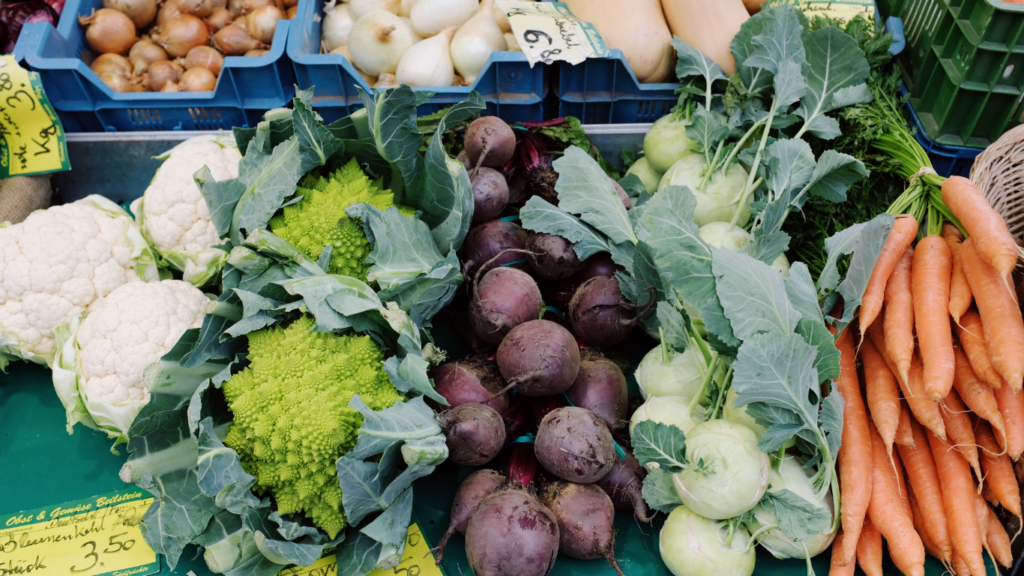
Understanding the Basics of Proper Food Storage
Factors Affecting Proper Food Storage
Several factors influence the shelf life and quality of food:
- Temperature: Many foods require cool or cold environments to prevent the growth of harmful bacteria. For instance, perishables like dairy, meat, and fruits must be kept in a fridge or freezer.
- Moisture: High humidity can cause mold growth, while insufficient moisture can dry out foods, making them tasteless and hard to eat.
- Air Exposure: Oxygen speeds up the degradation of food by promoting the growth of bacteria, mold, and fungi, or causing foods like fruits and vegetables to ripen too quickly.
- Light: UV light accelerates the breakdown of food, especially in oils and spices.
How to Store Perishable Foods
Many of the foods we eat every day are perishable foods that have a short shelf life and require immediate or special conditions for proper food storage. These include meat, dairy, fresh produce, and eggs. Side dishes often fall into this category. Unlike main course meat dishes where you are focused on a particular cooking method, side dishes often involve a variety of foods which have their own set of guidelines.
Being mindful of the preparation of side dishes that contain multiple ingredients is crucial for ensuring their proper storage and safety for consumption. It is essential to follow food safety guidelines to prevent contamination and spoilage, which can compromise the quality and edibility of the dishes. Likewise, by taking the necessary precautions during preparation and storage, one can maintain the integrity of the ingredients and promote a healthier dining experience.
Different cooking techniques can affect the texture, flavor, and health benefits of food, while proper storage practices help prevent spoilage and the growth of harmful bacteria. By understanding and implementing effective cooking and storage strategies, you can promote better health outcomes in your kitchen.
Proper Food Storage for Fruits and Vegetables
Effective fruit and vegetable storage involves managing temperature, airflow, moisture, and ethylene gas exposure to maximize freshness and safety. General practices include storing produce unwashed until ready to use and keeping fruits and vegetables that produce ethylene gas separate from those that are sensitive to it.
Here are specifics on popular foods:
Cucumbers: Storing cucumbers correctly by minimizing moisture loss and avoiding ethylene exposure will maintain their crunch and allow you to enjoy past its shelf life.
Tomatoes: You’re all set to use those ripe, juicy tomatoes in a refreshing salad only to find the tomatoes have gone south. It could be you’re not storing your tomatoes properly. By utilizing some simple storage techniques, you can prevent your tomatoes from ripening too quickly and enjoy them much longer.
Bananas: There’s nothing like a banana for a pick-me-up snack until you discover the bananas have transformed into a dark, squishy, unappetizing mess. Bananas have a mind of their own and unless you store bananas properly, they won’t last very long. The good news is you can extend the life of bananas by following certain guidelines.
Meat and Poultry
Meat and poultry are popular entrées in many households. By utilizing different cooking methods for your meat dishes, you can serve a healthy and tasty meal. But raw meat is highly perishable and needs to be handled appropriately. Proper food storage is important to maintain freshness and prevent bacterial growth.
- Freezing: For long-term storage, freeze meats and poultry immediately after purchase. Wrap them tightly in plastic wrap, followed by a layer of aluminum foil or place them in vacuum-sealed bags to prevent freezer burn.
- Refrigeration: Fresh meat should be stored on the bottom shelf of the fridge to avoid contamination with other foods. It should be kept in its original packaging or in an airtight container.
- Use-by Dates: Always follow the recommended use-by dates for fresh meats. Consume frozen meats within 4-6 months for best flavor and quality.
One-pot Meals
Proper storage of one-pot meals is crucial for several reasons. Firstly, it helps to maintain the freshness and flavor of the ingredients, ensuring that the meal remains enjoyable when reheated. Additionally, correct storage practices can prevent foodborne illnesses by inhibiting the growth of harmful bacteria, which thrive in improperly stored food.
Furthermore, efficient storage can contribute to reducing food waste, allowing leftovers to be safely consumed later. Overall, taking the time to store one-pot meals correctly not only enhances their quality but also promotes health and sustainability.
To ensure the proper storage of one-pot meals, it is essential to allow the dish to cool to room temperature before transferring it to an airtight container. This helps prevent condensation, which can lead to spoilage. Once cooled, the meal should be stored in the refrigerator if it will be consumed within a few days, or in the freezer for longer preservation.
When freezing, consider portioning the meal into smaller containers for easier reheating. Always label the containers with the date and contents to keep track of freshness, and when reheating, ensure the meal reaches a safe internal temperature to maintain food safety.
Dairy Products
The way you store fruits and vegetables can either prolong their freshness or cause them to spoil quickly. Proper food storage includes:
- Room Temperature: Many fruits, like apples, bananas, and avocados, ripen better at room temperature. Once ripe, transfer them to the fridge to extend their shelf life.
- Refrigeration: Vegetables like leafy greens, carrots, and broccoli should be kept in the fridge in breathable produce bags. Keep them in the vegetable drawer to maintain a stable temperature and humidity.
- Moisture Control: For fruits like berries, which can spoil quickly due to excess moisture, store them in a dry container and only wash them right before consumption.
Cooking Oils
Proper food storage is crucial for maintaining the quality and longevity of cooking oils. When oils are exposed to light, heat, and air, they can degrade and develop an off flavor, which can negatively impact the taste of dishes.
- Keep oils in a cool, dark place, away from heat and sunlight, as exposure to these elements can cause oils to go rancid more quickly.
- Ideally, oils should be kept in their original containers, which are often designed to protect them from light and air.
- Ensure that the lids are tightly sealed to minimize oxidation.
- For oils that are particularly sensitive, like flaxseed oil or walnut oil, refrigerate them to prolong freshness.
- Regularly check for any off odors or changes in appearance, as these can indicate that the oil has gone bad and should be discarded.
- Use oils within their expiration dates to ensure you’re getting the full benefit of their nutrients.
Understanding the temperament and shelf life of different oils will help you in selecting the right oil for your cooking needs.
Key Reasons for Proper Storage
- Prevents Rancidity & Off-Flavors: Exposure to light and heat causes oils to oxidize, resulting in a bitter taste and foul smell that ruins food.
- Maintains Nutritional Value: Improperly stored, light-sensitive oils can break down, reducing their health benefits.
- Prevents Harmful Compounds: Oxidized oils can form toxic compounds, which are a health concern.
Extends Shelf Life: Proper storage in dark, cool locations (like a pantry) can keep oils fresh for 12 to 18 months.
- Prevents Waste and Saves Money: Proper storage prevents having to dispose of expensive oils prematurely.
Techniques for Preserving Non-Perishable Foods
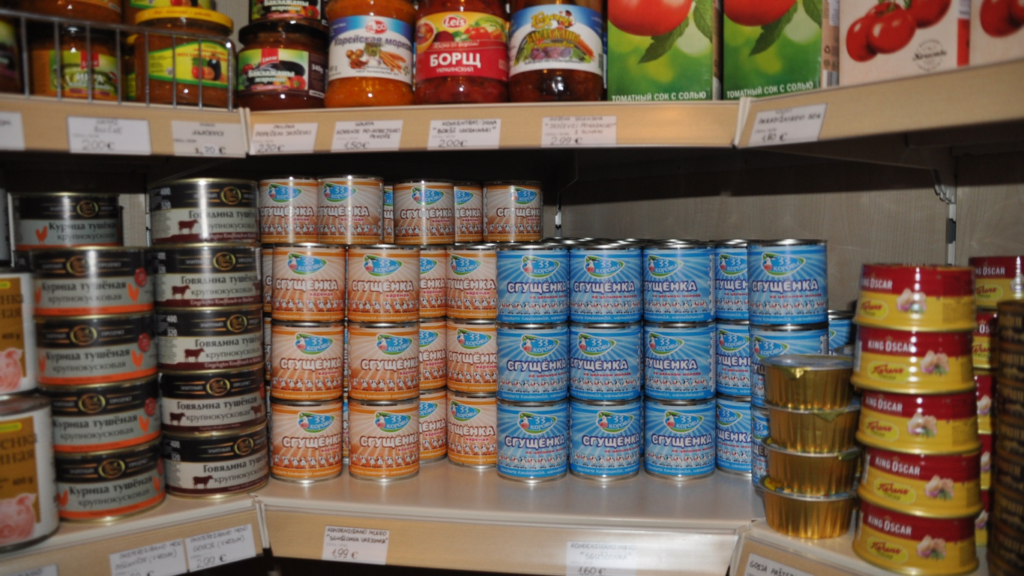
Non-perishable foods, such as grains, dried beans, canned goods, and spices, can last for months or even years with proper food storage. Preserving their flavor and quality comes down to preventing exposure to air, light, and moisture.
Canned Goods
Canned foods like vegetables, soups, and meats have long shelf lives but still require proper food storage to maintain their best taste.
- Storage Location: Store canned goods in a cool, dry place like a pantry. Avoid storing them in areas where temperatures fluctuate drastically, such as near ovens or windows.
- Inspect Cans: Before using canned food, always inspect the can for signs of bulging, rust, or leakage, which could indicate spoilage or contamination.
Note: According to the U.S.D.A. if a can containing food has a small dent, but is otherwise in good shape, the food should be safe to eat. Discard deeply dented cans that you can lay your finger into or a can with a deep dent on any seam.
Grains and Pasta
Dry foods like rice, pasta, and oats are staples in many kitchens and can last a long time with proper food storage.
- Airtight Containers: Store grains in airtight containers to protect them from moisture and pests. For long-term storage, you can vacuum-seal grains to preserve their freshness for up to a year or more.
- Cool, Dry Locations: Keep grains and pasta in a cool, dry pantry or cupboard. Avoid areas with high humidity or direct sunlight, which can cause the food to degrade faster.
Spices and Herbs
Spices and dried herbs are prone to losing their potency over time, but with the right storage, you can prolong their flavor.
Opaque Containers: Store spices in airtight, opaque containers to prevent exposure to light, which can cause them to lose their flavor.
Cool, Dry Place: Keep spices away from heat sources like stoves or windows, as heat can degrade essential oils in the spices. Whole vs. Ground: Whole spices last much longer than ground spices. If possible, purchase whole spices and grind them as needed.
Advanced Preservation Methods
Freezing
Freezing is one of the most effective ways to preserve food for long periods.
- Blanching Vegetables: Before freezing vegetables, it’s essential to blanch them first. Blanching involves briefly boiling vegetables and then plunging them into ice water. This process helps to preserve color, texture, and nutritional value.
- Freezer-Friendly Foods: Fruits, meats, baked goods, and even certain dairy products (like butter) freeze well. Just make sure you wrap them tightly to prevent freezer burn.
Fermentation
Fermentation is a natural preservation process that also enhances the flavor of foods like sauerkraut, kimchi, and yogurt.
Benefits: Fermented foods like sauerkraut and kimchi can be stored for months in a cool environment. The fermentation process naturally preserves the food while enhancing its nutritional value with probiotics.
Storage: Once fermented, store in airtight jars or containers in the fridge or a cool cellar.
Canning
Canning is another long-standing method for preserving fruits, vegetables, and even meats.
Pressure Canning: For low-acid foods like meats and vegetables, pressure canning is necessary to ensure they reach the proper temperature to kill harmful bacteria.
Water Bath Canning: This method is suitable for high-acid foods like fruits, jams, and pickles. Make sure to follow recommended canning guidelines for safety.
Food Preservation Best Practices
Proper food storage plays a crucial role in fostering healthy eating habits by preserving the nutritional quality and safety of food. When food is stored correctly, it minimizes the risk of spoilage and contamination, ensuring that individuals have access to fresh and wholesome ingredients. This not only encourages the consumption of nutritious meals but also reduces food waste, making it easier to maintain a balanced diet. By organizing and storing food effectively, individuals are more likely to plan their meals and make healthier choices, ultimately contributing to improved overall well-being.
To get the most out of your food storage efforts, here are a few best practices to keep in mind:
- Use FIFO (First In, First Out): Rotate your stock so older items are used first. Label and date food items so you can track their freshness.
- Avoid Overcrowding: When storing food in the fridge or pantry, make sure there’s enough airflow to allow proper circulation. Overcrowding can cause uneven temperatures and reduce freshness.
- Invest in Storage Equipment: Invest in high-quality airtight containers, vacuum sealers, and freezer-safe bags to protect your food and prolong its shelf life.