How to Cook Perfect Pork Chops - No Dry Meat
Why Pork Chops Dry Out
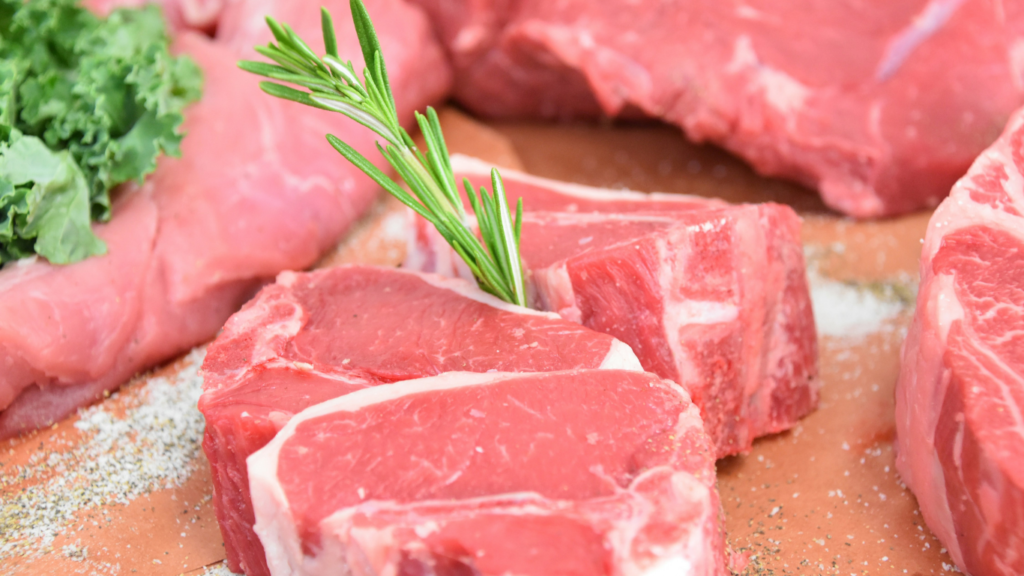
Learning how to cook pork chops that are juicy and tender can be challenging. The reason for this problem is they’re inherently lean. This means they have low fat/moisture causing muscle fibers to seize and squeeze out juices when overcooked.
In This Article
This is particularly problematic when cooking with high heat for too long. The intense heat causes muscle fibers to contract rapidly, forcing out moisture, while prolonged cooking evaporates these internal juices.
Because pork chops are a lean, low-fat cut, they lack the fat needed to remain tender when overcooked, leading to a tough, dry texture.
Best Pork Chops to Use
Bone-in vs. Boneless
When attempting to cook pork chops that are juicier and more flavorful, bone-in is generally considered superior. This is because the bone and fat add richness and prevent drying. This makes them ideal for traditional roasting or grilling.
Boneless, on the other hand, cooks faster which offers convenience. This makes them ideal for quick meals or recipes like schnitzel, though they can dry out more easily.
Pork chops are an exceptionally adaptable meat dish option, suitable for a wide range of culinary applications. The best choice depends on whether you prefer a more flavorful (bone-in) or quicker convenience (boneless) pork chop.
Thickness of Pork Chop Matters
The thickness of pork chops significantly has an affect on pork chops drying out. Thicker chops (1-1.5 inches) are much less likely to dry out because they allow for a good crust to form on the outside. Meanwhile, the inside cooks slowly to a juicy, tender finish.
Striving to cook pork chops that are thin, on the other hand, is more challenging. If they cook too fast, they will easily become tough and dry.
Ideally, the extra thickness provides a buffer against overcooking, making it easier to achieve moist results with proper searing and resting.
Fresh vs. Frozen
There are a few considerations for how to cook pork chops that are frozen as opposed to fresh.
Fresh pork chops generally offer superior texture and flavor.
While cooking frozen pork chops is safe and convenient, it will require about 50% more cooking time. Using a meat thermometer is advised to ensure they reach the safe internal temperature of 145°F (63°C).
Bottom line, for even cooking and quality results, proper thawing is ideal to give you the best texture.
How to Cook Pork Chops Without Drying Them Out
1. Let Pork Chops Sit at Room Temperature
Letting pork chops sit out before cooking is called tempering. What this does is allow them to come closer to room temperature. This is ideal for cooking por chops more evenly. This tempering process (about 20-30 minutes) helps the heat penetrate more uniformly, ensuring a better sear and a perfectly cooked interior without overcooking the edges.
Likewise, it prevents the outside from drying out or charring before the center reaches the safe internal temperature. The result is juicier, more tender pork.
2. Season Pork Chops Simply but Well
For a simple seasoning that enhances the natural flavor of pork chops, you only need salt and black pepper. Pork has a mild flavor, so don’t be afraid to season both sides of the chop well.
For a slightly enhanced flavor, other options to consider are garlic powder, onion powder, or smoked paprika.
3. Use Medium-High Heat for Cooking Pork Chops
Cooking pork chops by pan-searing is highly effective for producing flavorful and juicy pork chops. In a pan or skillet, sear them over medium-high heat until golden brown. Then cook them to an internal temperature of 145°F (63°C), followed by a short resting period.
4. Let Pork Chops Rest
Resting pork chops after cooking is crucial because it allows contracted muscle fibers to relax, redistributing juices throughout the meat. This allows for a more tender, moist, and flavorful result.
Slicing too soon releases all the flavorful liquid onto the cutting board, leaving the chop dry. Resting also lets the internal temperature equalize and finish cooking.
Best Way to Tell When Pork Chops Are Done
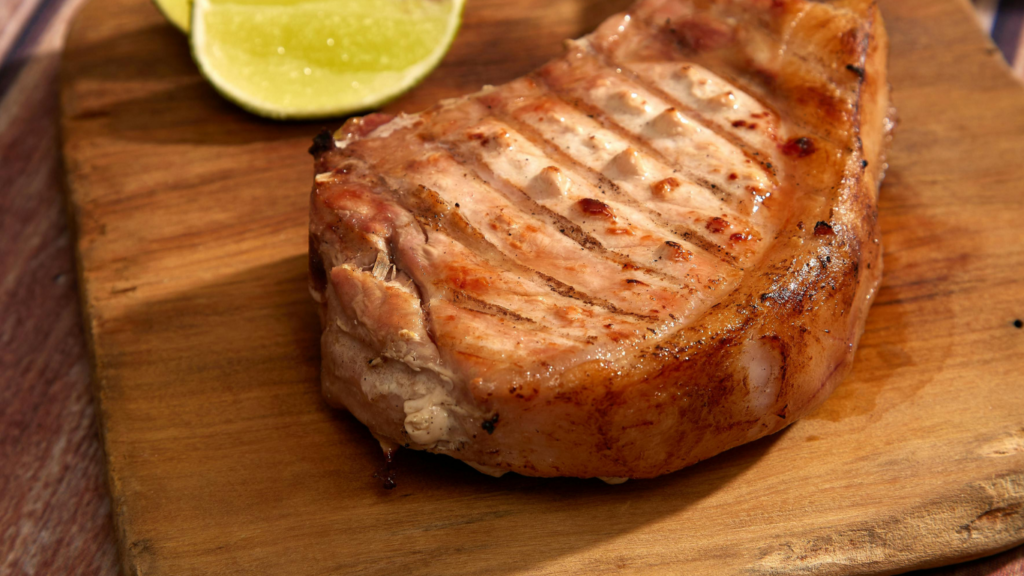
The most accurate way to know pork chops are done is with a meat thermometer. You will want to pull them off the heat when the temperature reaches145°F (63°C) in the thickest part.
Let them rest for at least 3 minutes as they’ll continue to cook and become juicy, with juices running clear. While you can look for clear juices or a firm feel, temperature is the most accurate method for safe, tender, and flavorful pork.
Avoid cutting into pork chops to check for doneness because it releases all the flavorful juices, making the meat dry.
Don’t overcook! Aim for that 145°F internal temperature and let it rest. You want juicy pork chops that are tender and moist, rather than dry and tough.
Common Pork Chop Mistakes to Avoid
Cooking straight from fridge: You shouldn’t cook pork chops straight from the fridge because the extreme cold leads to uneven cooking. The outside dries out and overcooks before the cold center reaches a safe internal temperature. This results in tough, dry meat instead of a juicy, tender chop. Ideally, let them sit out for 20-45 minutes to reach room temperature. This ensures the entire chop cooks evenly, yielding better flavor and texture.
Cooking too thin chops too long: Thin pork chops have less fat and cook quickly. Over cooking will make them dry, chewy, and tough. The key is to cook them fast over high heat to an internal temperature of 145°F followed by a short rest.
Skipping rest time: If you don’t rest cooked pork chops, they will be drier, tougher, and less flavorful. Resting gives your pork a chance to reabsorb some of the juice that high heat brought to the surface. In addition, your meat will continue to cook, bringing the temperature up before levelling off.
Final Thoughts
Pork chops are a quick, healthy, and simple dinner. However, knowing how to cook pork chops can be tricky. The main enemy is overcooking. The good news is you don’t have to settle for dry, tough chops when you follow these simple guidelines.
Temper the Meat: Let pork chops sit out for 20-30 minutes to reach room temperature for more even cooking
Season Generously: Use salt, pepper, garlic powder, paprika, or other spices you enjoy.
Use a Thermometer: This is your best friend! Cook to an internal temperature of 145°F, then let rest for 3 minutes for juicy results.
Don’t Overcook: Pork is lean and dries out easily, so for juicy pork chops cook to temperature, not just time.
Rest the Meat: Always let cooked chops rest for a few minutes before serving.
By mastering these straightforward techniques and using a thermometer, you’ll quickly build the confidence for how to cook pork chops perfectly every time.