Cast Iron Skillet Cooking for Beginners – How to Cook with Cast Iron
Cooking with a cast iron skillet can feel intimidating if you’ve never used one before. Between seasoning, heating, and cleaning, many beginners aren’t sure where to start. However, with practice, many find that cast iron pans offer superior heat retention and even cooking, leading to improved culinary outcomes. Over time, as one becomes more adept at using these pans, the benefits of their durability and versatility become increasingly apparent, making the initial learning phase worthwhile.
This guide breaks down cast iron skillet cooking for beginners, so you can cook confidently without overthinking it.
In This Article
Why Cook with a Cast Iron Skillet
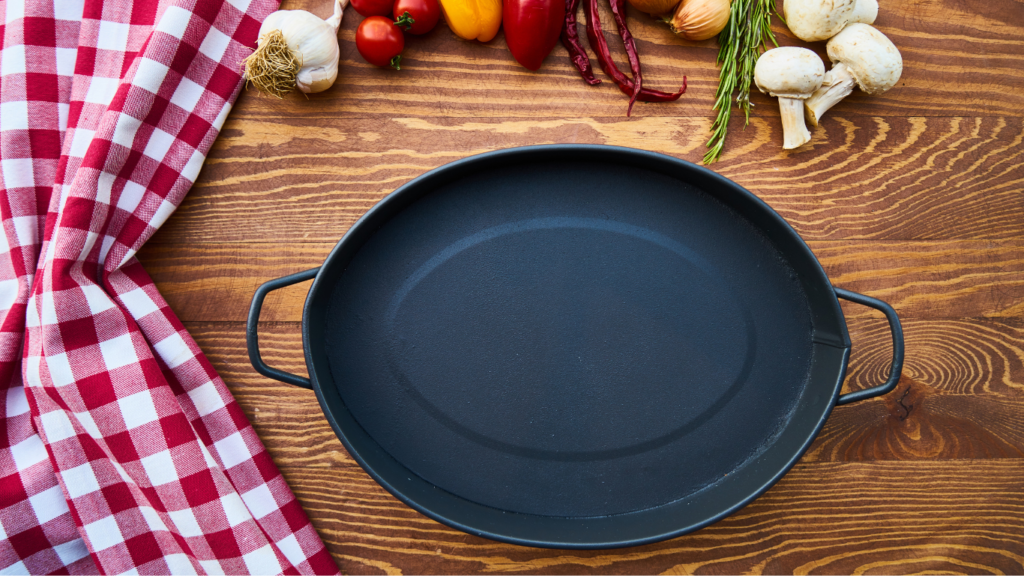
Cooking with a cast iron skillet offers numerous advantages that will enhance your cooking experience. It is especially advantageous for preparing meat dishes as a main course for dinner. This is primarily due to their excellent heat retention and even heat distribution. This allows for a consistent cooking temperature, which is essential for achieving a perfect sear and enhancing the flavor of the meat.
Additionally, its durability ensures that it can withstand high temperatures and frequent use, while the natural non-stick surface that develops over time enhances its functionality. This enhances the browning process, enabling food to sear effectively without sticking.
Even more, cast iron skillets can be used on various heat sources, including induction, making them a practical choice for any kitchen.
Do You Need to Season a Cast Iron Skillet?
How to Heat a Cast Iron Skillet Properly
Start Low and Go Slow
Add Oil After Heating
Adding oil to a hot cast iron skillet creates an instant, slick, non-stick surface that prevents food from sticking and ensures better searing.
Heating the pan first allows the oil to quickly reach a shimmering, polymerization point, which bonds it to the metal and prevents it from turning into a sticky, gummy residue.
What Foods Cook Best in Cast Iron?
Cast iron is ideal for high-heat cooking, searing, and baking, producing excellent results for steaks, cornbread, bacon, and pan-fried foods due to its superior heat retention and non-stick seasoning. It is best suited for foods requiring a deep sear or a crispy crust, such as burgers, pork chops, and roasted vegetables.
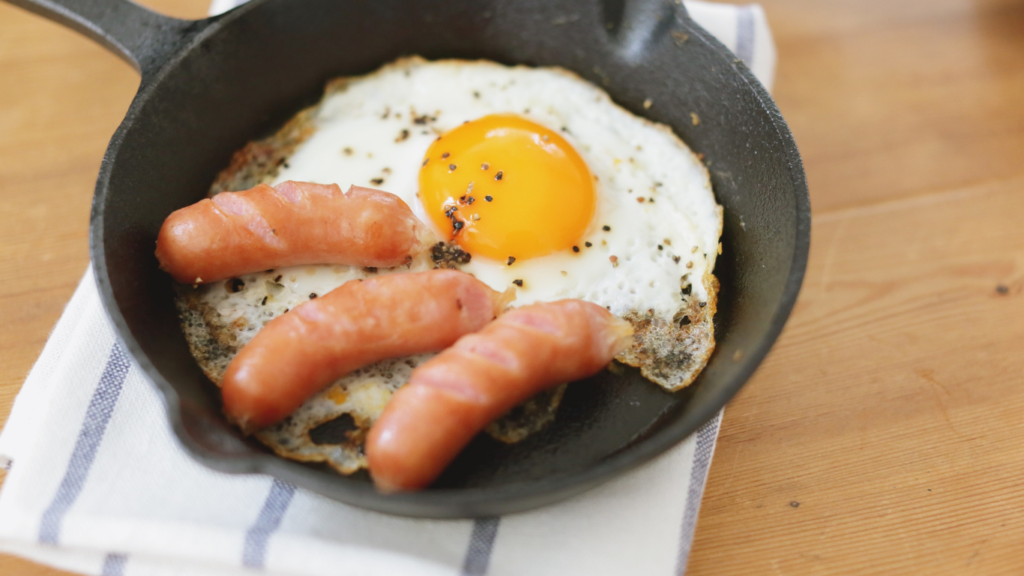
Eggs cook exceptionally well in a well-seasoned cast iron skillet, but it may take some practice to get the proper technique. A well-seasoned pan creates a natural non-stick surface, allowing eggs to cook beautifully without burning or sticking, provided you manage the heat correctly.
Common Cast Iron Mistakes Beginners Make
- Too much heat
- Not enough oil
- Cooking acidic foods too long
- Soaking in water
How to Clean a Cast Iron Skillet
Clean a cast iron skillet by washing it with warm water, mild soap (optional), and a stiff brush or chainmail scrubber.
Dry immediately on a warm stovetop. For stubborn, stuck-on food, boil water in the pan or scrub with coarse salt.
Finally, apply a very thin layer of oil to prevent rust.