How to Store Tomatoes: Keep Tomatoes Fresh Longer
Tomatoes are a staple in kitchens worldwide, adding flavor and color to everything from salads to sauces. However, keeping them fresh can be tricky, as tomatoes tend to spoil quickly.
Whether you’ve just bought a bushel or you’ve harvested your own garden tomatoes, practicing proper food storage techniques is key to prolonging their shelf life. Here’s how to store tomatoes effectively to keep them fresh for longer.
In This Article
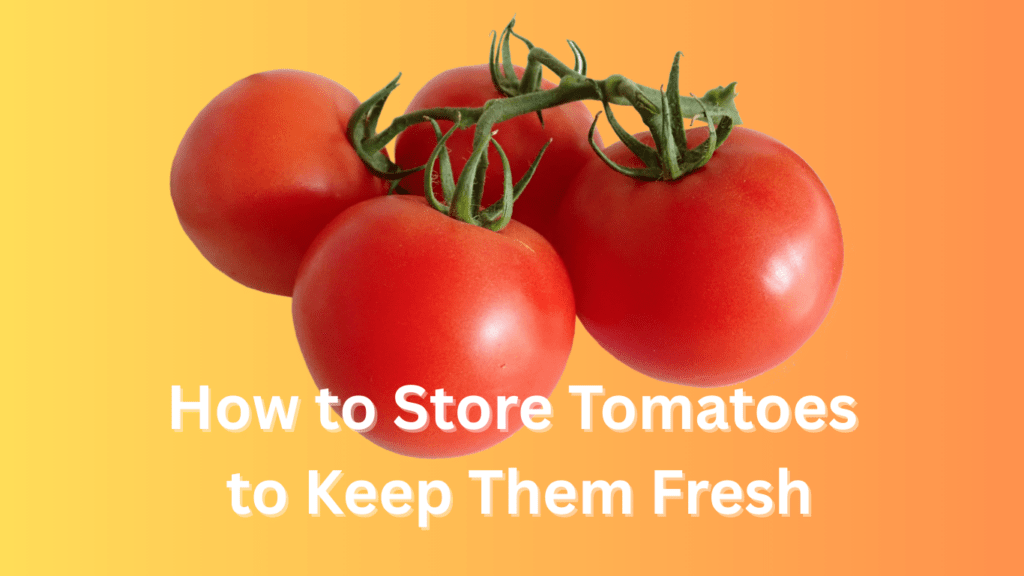
How to Store Tomatoes for Home Use
Nothing beats the taste of a fresh, juicy tomato—until it goes mealy on the counter or rots in the fridge. For years, the debate has raged: should you refrigerate tomatoes or keep them on the counter?
The answer for how to store tomatoes depends entirely on how ripe they are. Storing tomatoes properly requires knowing when to use the countertop versus the refrigerator to avoid ruining their texture and flavor.
Here is the ultimate guide on how to store tomatoes to maximize their shelf life, from garden-fresh to store-bought.
Ripe vs. Unripe
- Unripe (Green/Firm) Tomatoes: Keep on the counter. Refrigerating unripe tomatoes stops the ripening process and results in mealy, flavorless fruit.
- Ripe (Soft/Red) Tomatoes: Eat immediately or store in the fridge to stop them from turning into mush. The fridge slows down the deterioration process.
How to Store Tomatoes at Room Temperature
How to Store Tomatoes on the Counter
If you have just picked tomatoes from the garden or bought them from a farmers market, they are best kept at room temperature.
- Upside Down is Key: Store tomatoes stem-side down (upside down). This prevents air from entering the stem scar, slows moisture loss, and reduces mold and bacteria growth.
- Single Layer: Place them in a single layer to avoid bruising.
- Away from Sunlight: Direct sun makes tomatoes soften faster. Keep them in a cool part of the kitchen.
- The Tape Method: If you can’t keep them stem-down, place a small piece of tape over the stem scar to seal out air.
When Should Tomatoes Be Refrigerated?
Despite the common warning, refrigeration is sometimes the best choice to prevent food waste.
- Overripe Tomatoes: If a tomato is very soft or starting to wrinkle, move it to the fridge to halt decay for an extra 2 to 3 days.
- Cut Tomatoes: Once sliced or diced, tomatoes must be refrigerated in an airtight container to prevent bacterial growth.
If your tomatoes are fully ripe and you need to extend their shelf life for a few more days, refrigerating them might be necessary. However, it’s recommended to let them come back to room temperature before eating them to regain some of their natural flavor.
How to Store Tomatoes in the Fridge
Once tomatoes are fully ripe, they only have a day or two before they turn bad.
- Refrigerate Ripe Ones: If your tomatoes are perfectly ripe, putting them in the fridge extends their life by several days.
- Bring to Room Temp: Before eating a refrigerated tomato, let it sit out for 30-60 minutes. This helps restore some of the flavor lost in the cold.
- Use the Crisper Drawer: Store them in the crisper drawer to maintain proper humidity.
Store in a Single Layer Stem Side Down
Use a Paper Towel to Absorb Excess Moisture
How Long Can Tomatoes Last in the Fridge?
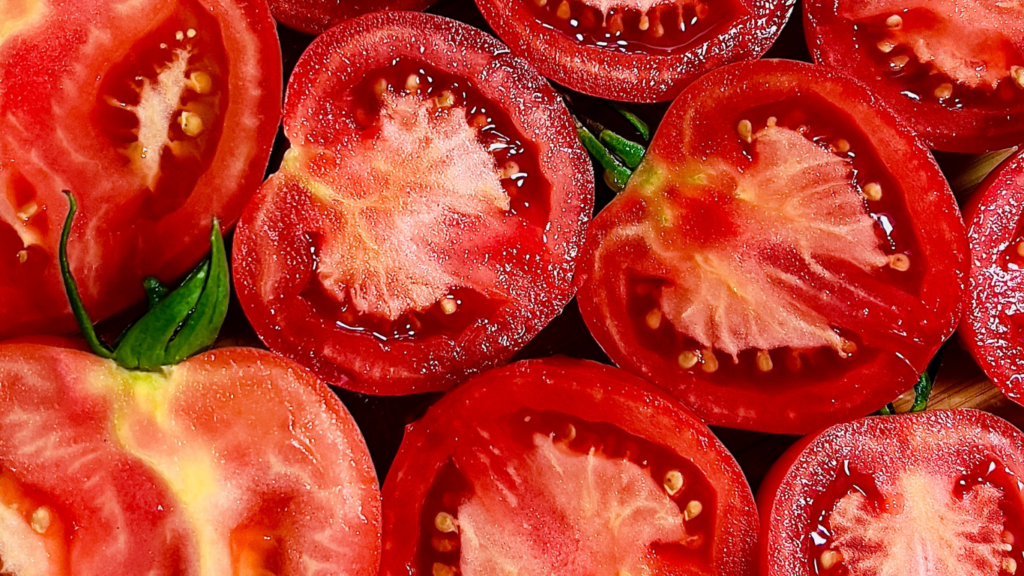
How to Store Tomatoes That Have Been Cut
- Airtight Container: Place cut tomatoes in a sealed, airtight container in the refrigerator.
- Cut-Side Down: Place the cut side down on a small plate and cover with plastic wrap.
- Use Within 2 Days: Cut tomatoes should be consumed within 24 to 48 hours.
Check Tomatoes Regularly
How to Make Tomatoes Last Longer
If you have too many tomatoes to eat, you don’t need to let them go to waste.
- Freeze Them: Wash, dry, and place whole tomatoes directly in a freezer bag. They will keep for up to 6 months. When you thaw them, the skins will peel right off making them a perfect option for sauces.
- Make Sauce: Cook them down into a sauce and freeze in batches.
- Sun-Dry: Slice and dry in the sun (or in a low-temp oven) for a flavorful snack.
By following these tips, you can keep your tomatoes fresh and tasty, whether they are in a salad or a summer soup.
Keep Tomatoes Away from Other Ethylene-Producing Fruits
How to Ripen Green Tomatoes at Home
If you have underripe or green tomatoes, they need a warm environment (ideally 65–75°F) to mature.
- The Paper Bag Method: Place green tomatoes in a brown paper bag or cardboard box to trap ethylene gas, which triggers ripening.
- Add a Fruit Buddy: Tucking a ripe banana or apple into the bag will speed up the process significantly by releasing extra ethylene.
- Avoid Windowsills: Direct sunlight can cause uneven ripening or overheating. A dark, cool-to-warm spot like a pantry is better.
How to Store Tomatoes for Long-Term Storage
If you have an excess of tomatoes that you can’t consume in time, consider preserving them for later use.
Canning Tomatoes: Canning tomatoes is a great way to preserve them for months. To do this, wash and peel the tomatoes, then cook them before placing them in sterilized jars. Use proper canning techniques to ensure safety and shelf life.
Freezing Tomatoes: Freezing tomatoes is another option for long-term storage. You can freeze them whole, but it’s often better to blanch and peel them first. Freezing will alter the texture, but they will still be great for cooking, sauces, or soups.
Check Tomatoes Regularly
Conclusion
Use these tips for how to store tomates and you can enjoy fresh, flavorful tomatoes for longer, whether you’re cooking a hearty sauce, making a fresh salad, or snacking on them as they are.
You Might Also Like: