Ultimate Guide on How to Boil Eggs Perfect Every Time
Boiling eggs might seem like a simple task but getting them just right can be tricky. Whether you prefer soft-boiled with a runny yolk or hard-boiled with a firm, fully cooked center, these tips will ensure you get perfect results every time.
The cooking method for how to boil eggs to perfection is super easy and allows you to cook a variety of eggs for the entire family – all in one pot together!
In This Article
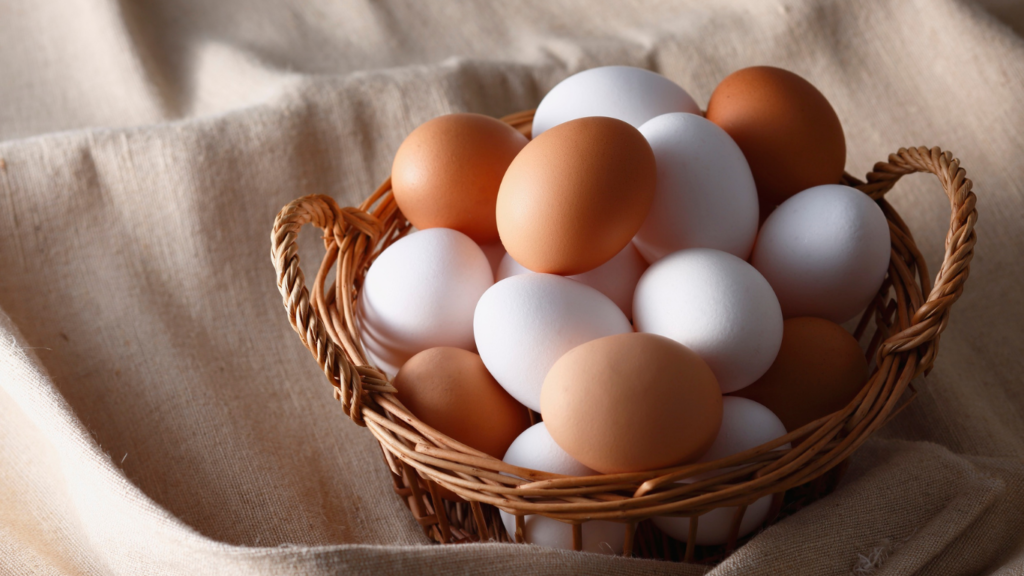
How to Boil Eggs (All Types)
Step 1: Choose Fresh Eggs
Fresh eggs are essential for perfect results, but older eggs are easier to peel after boiling. If you’re aiming for ease in peeling, you can use eggs that are around 7-10 days old.
Step 2: Fill Your Pot with Water
Place your eggs in a single layer at the bottom of a pot. Fill the pot with cold water, making sure the eggs are covered by about an inch of water. Starting with cold water helps prevent cracking and promotes even cooking.
Step 3: Bring Water to a Boil
Set your pot over medium-high heat and bring the water to a rapid boil. Once the water reaches a boil, reduce the heat to a low simmer to prevent eggs from bouncing around and cracking.
Step 4: Set a Timer
How long to boil eggs for soft boiled eggs:
- Soft-boiled eggs (with a runny yolk): Boil for about 4-6 minutes.
- Medium-boiled eggs (slightly set yolk): Boil for about 7-9 minutes.
- Hard-boiled eggs (fully set yolk): Boil for 10-12 minutes.
These times may vary depending on the size of your eggs, so you might need to experiment a little to find your ideal texture.
Step 5: Cool the Eggs Quickly
Once your eggs are done, remove them immediately from the hot water and place them in a bowl of ice water or under cold running water for at least 5 minutes. This helps stop the cooking process and makes them easier to peel.
Step 6: Peel the Eggs
To peel, gently tap the egg on a hard surface, then roll it lightly to loosen the shell. Start peeling from the wider end (where there’s often a small air pocket) for the best results.
Extra Tips for How to Boil Eggs:
Now that you know how to boil eggs, you need to peel them. For easier peeling, you can add a teaspoon of baking soda to the water. It can help make the shell easier to remove.
If you’re cooking a large batch, you can also try cooking them in the oven. Just place the eggs in a muffin tin and bake at 325°F (163°C) for 25-30 minutes, then cool in ice water.
Now you’re ready to enjoy perfectly boiled eggs, whether they’re for breakfast, a salad topping, or a quick snack!
Tips for How to Boil Eggs (Soft)
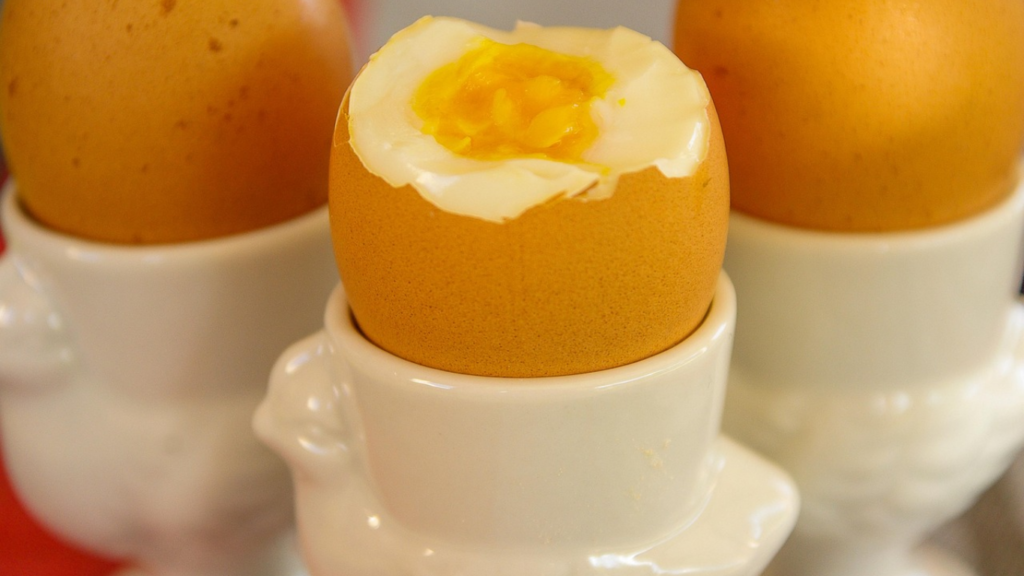
Soft-boiled eggs are perfect for a creamy, runny yolk. Here’s how to master them:
Choose Eggs at Room Temperature: Eggs that are closer to room temperature cook more evenly. If you take them straight from the fridge, let them sit out for 5-10 minutes to warm up.
Watch the Timing Closely: 4-5 minutes for the perfect soft-boiled egg with a runny yolk. 6 minutes for slightly firmer yolk, but still soft in the middle. Timing is key, so set your timer and don’t wander too far!
Lower Heat After Boiling: Once your water comes to a rolling boil, lower the heat to a simmer. This prevents the eggs from bouncing around and cracking.
Cool Immediately: After boiling, transfer the eggs to an ice bath or run cold water over them for at least 5 minutes. This stops the cooking process and helps preserve the runny yolk.
Tips for Peeling Soft Boiled Eggs
Soft boiled eggs can be tricky to peel. The best way is to immediately plunge them into an ice bath for at least 3 minutes after boiling. Gently crack the shell all over and peel under cold running water or submerged in water. Rolling the egg gently to crack it and using a spoon to separate the shell from the white helps keep the delicate egg intact.
Tips for How to Boil Eggs (Hard)

Hard-boiled eggs are perfect for salads, snacks, and deviled eggs. Here’s how to make them foolproof:
Don’t Overcrowd the Pot: Avoid overcrowding your pot. Make sure there’s enough space for the eggs to move around without knocking into each other. This helps them cook evenly.
Start with Cold Water: Just like soft-boiled, start with cold water to prevent cracking. This also helps cook them more evenly, ensuring a fully set yolk.
Use a Timer: For hard-boiled eggs 10 minutes for a fully set yolk, firm but not overcooked. 12 minutes for a very firm yolk. Overcooking can result in a dry, greenish yolk, so stick to 10-12 minutes for best results.
Ice Water is Key: Once your eggs are done, transfer them directly into an ice water bath. This prevents the yolk from continuing to cook and helps make peeling easier.
Tips to Easily Peel Hard Boiled Eggs
The best trick for peeling hard boiled eggs is to immediately place them into an ice water bath for 2–3 minutes after cooking. Steaming instead of boiling, using older eggs, and cracking them all over before peeling under running water or in a bowl of water ensures the shell slips off easily.
To make peeling easier, gently crack the egg on the counter and roll it to loosen the shell. Start peeling from the wider end, where there’s often a small air pocket.
Some people find adding a little baking soda to the boiling water makes peeling smoother by helping the membrane loosen from the shell.
How to Boil Eggs in an Instant Pot
- For soft-boiled eggs: Set the Instant Pot to High Pressure for 3-4 minutes.
- For hard-boiled eggs: Set the Instant Pot to High Pressure for 5-7 minutes, depending on how firm you want your yolk.
- Quick Release: Immediately use the quick release function to release the pressure. Be careful as the steam will be hot.
- Natural Release: For slightly softer yolks, allow the pressure to release naturally for about 5 minutes before releasing the rest of the pressure manually.
How to Cook Eggs in an Instant Pot (Soft)
How to Cook Eggs in an Instant Pot (Hard)
Tips for How to Cook Eggs in the Instant Pot that Turn Out Perfect
Freshness: Fresh eggs can be a little trickier to peel, so older eggs (around a week old) are ideal for easy peeling.
Don’t Overcrowd: Don’t stack your eggs too high. They should all be in a single layer to cook evenly.
Water Amount: Always use at least 1 cup of water to create steam and pressure in the Instant Pot.
Boiling eggs in the Instant Pot is one of the easiest ways to get perfect eggs every time. The pressure cooker method ensures that the yolks are always cooked just right without worrying about overcooking them.
Health Benefits of Eggs
Eggs are a highly nutritious food that offer numerous health benefits. They are an excellent source of high-quality protein, essential vitamins, and minerals, including vitamin B12, riboflavin, and selenium. The presence of choline in eggs supports brain health and cognitive function, while the antioxidants lutein and zeaxanthin contribute to eye health by reducing the risk of age-related macular degeneration.
Additionally, eggs can aid in weight management due to their ability to promote satiety, making them a valuable addition to a balanced diet. Their versatility in cooking further enhances their appeal, allowing for a wide range of culinary applications.