How to Make Easy Scrambled Eggs: Fluffy, Light, and Never Dry
Scrambled eggs are not only a breakfast classic but can be served for any meal. However, getting them just right can be tricky. You want them light, fluffy, and soft—never dry or rubbery.
Whether you’re new to cooking or just looking to perfect your scrambled egg game, we’ve got you covered with this simple method for easy scrambled eggs.
In This Article
Why People Love Scrambled Eggs
Scrambled eggs are widely considered one of the most popular, if not the most popular, methods of preparing egg dishes. People love scrambled eggs for their creamy, soft texture, versatility in flavor pairings (cheese, herbs, veggies), and quick, easy preparation. They are a nutritious, high-protein, and budget-friendly comfort food. Their popularity stems from being a reliable, savory, and customizable meal option suitable for breakfast, lunch, or dinner.
Step-by-Step Instructions for Easy Scrambled Eggs
- 4 large eggs
- 1-2 tablespoons of milk or cream (optional, for extra fluffiness)
- Salt and pepper, to taste
- 1 tablespoon of butter (or oil)
- A non-stick skillet
How to Make Easy Scrambled Eggs:
1. Start by cracking the eggs into a bowl. For the fluffiest texture, use fresh eggs. Whisk them thoroughly to break up the yolks and whites. The more you whisk, the fluffier your eggs will be. Whisking adds air to the mixture, which creates a light and airy texture.
2. Add a Splash of Milk or Cream (Optional). For extra fluff, add a splash of milk or cream. This is optional, but it can help create a creamier, lighter texture. Use about 1-2 tablespoons for every 4 eggs. Avoid adding too much, as it can make the eggs watery.
3. Season Lightly. Add a pinch of salt and a dash of pepper to taste. You can also experiment with other seasonings, but keep it simple to let the eggs shine.
4. Preheat Your Skillet. Place a non-stick skillet over medium-low heat and add the butter. Let it melt completely but don’t let it brown. The key here is to cook the eggs on low heat to ensure they stay soft and creamy.
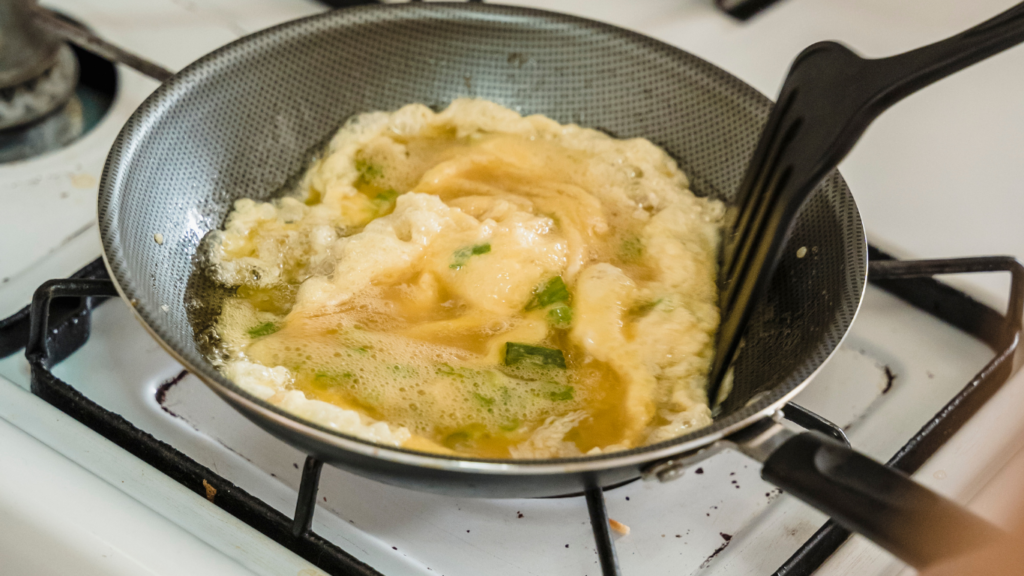
5. Pour in the Eggs. Once the butter is melted, pour the egg mixture into the skillet. Allow the eggs to sit undisturbed for a few moments so the edges can begin to set.
6. Stir Gently. After the edges start to set, use a spatula to gently stir the eggs, pushing them from the edges of the pan toward the center. This is where the magic happens! Scrambling gently helps create those perfect soft folds. Stir just occasionally to keep things moving, but don’t overdo it—over-stirring can lead to dry eggs.
7. Remove Before Fully Set. As soon as the eggs are still slightly runny (about 90% cooked), remove them from the heat. The residual heat will finish cooking the eggs, leaving them soft and perfectly fluffy.
8. Serve Immediately. Serve your scrambled eggs immediately, while they’re still warm and soft. Pair with toast, avocado, or a sprinkle of fresh herbs for a delicious breakfast!
Pro Tips for Easy Scrambled Eggs That Are Perfect Everytime
Common mistakes when making scrambled eggs include using high heat, overcooking (they continue cooking off heat), adding milk (can make them watery/rubbery), seasoning too early (breaks them down), overmixing (makes them tough), and using the wrong pan/utensil, leading to dry, rubbery, or poorly textured eggs instead of soft, fluffy curds.
Low and slow: Don’t rush the process. Cooking eggs over too high heat can lead to dry, rubbery eggs. Patience pays off!
Non-stick pan: A non-stick skillet ensures the eggs don’t stick and helps them cook more evenly.
Butter for flavor: Butter adds rich flavor and helps with the creamy texture. You can use oil, but butter will give you that classic taste.
Don’t overcook: Eggs continue cooking even after you remove them from the heat. Keep them slightly undercooked to prevent dryness.
Which is Better: Milk or Cream?
Adding milk to scrambled eggs results in a lighter, slightly fluffier texture, while adding heavy cream creates a much richer, thicker, and more velvety (custard-like) texture due to higher fat content. Milk adds moisture without masking the egg flavor, whereas cream provides intense indulgence but can mute the pure egg taste.
Key Differences:
- Texture: Cream makes eggs softer, more tender, and velvety. Milk makes them lighter and fluffier.
- Richness: Cream, with its higher fat content, creates a much richer mouthfeel.
- Flavor: Cream provides a richer, more buttery flavor, while milk is more subtle.
Risk: Cream helps keep eggs tender, while too much milk can make them runny or cause them to turn rubbery if overcooked.
When to Use Which:
- Use cream for a luxurious, soft, “French-style” or hotel-style scramble.
- Use milk for a lighter, American-style fluffy scramble.
Tip: Some chefs actually prefer water or no dairy at all for maximum fluff, as milk and cream can technically make eggs denser.
Key Tips for Fluffy Eggs with Cream
- Use Heavy Cream: A tablespoon or two of heavy cream adds maximum richness and a velvety, cloud-like texture.
- Whisk Well: Whisk the eggs and cream together until they are fully combined and slightly frothy.
- Low and Slow: Cook over low heat to prevent the protein from over-coagulating, which keeps the eggs tender.
- Fold Gently: Use a spatula to fold the eggs gently, creating large, soft curds.
Remove Early: Take the pan off the heat while the eggs are still slightly wet and glossy; they will finish cooking on the plate.
While heavy cream adds richness, some chefs suggest using water for a lighter, more airy texture, or a mix of dairy and butter for better flavor.
How to Make Easy Scrambled Eggs in the Microwave
You can easily prepare scrambled eggs in the microwave. Here’s how:
- Begin by selecting a microwave-safe bowl or mug that is large enough to accommodate the eggs without overflowing.
- Crack two to three eggs into the bowl, depending on your desired serving size, and add a splash of milk or cream to enhance the creaminess of the final dish.
- Season the mixture with a pinch of salt and pepper, and if you wish, you can incorporate additional ingredients such as cheese, herbs, or diced vegetables for added flavor and texture. Using a fork or whisk, beat the eggs thoroughly until the yolks and whites are fully combined, ensuring a uniform consistency.
- Once the eggs are well mixed, place the bowl in the microwave and set the timer for approximately 30 seconds on high power. After the initial cooking time, carefully remove the bowl and stir the eggs gently with a fork to break up any clumps that may have formed.
- Return the bowl to the microwave and continue cooking in 15-second intervals, stirring after each interval, until the eggs are just set but still slightly soft. This method helps to prevent overcooking, which can lead to a rubbery texture.
- When the eggs are cooked to your liking, remove the bowl from the microwave and let it sit for a minute to allow the residual heat to finish the cooking process. Before serving, give the eggs a final stir to achieve a fluffy consistency.
- You can garnish the scrambled eggs with fresh herbs or a sprinkle of cheese if desired.
This quick and convenient method of making easy scrambled eggs in the microwave not only saves time but also results in a delicious and satisfying meal that can be enjoyed at any time of the day.
Scrambled Eggs vs. Boiled Eggs
Scrambled eggs and boiled eggs are two popular methods of preparing eggs, with each offering distinct textures and flavors. While scrambled eggs are typically whisked and cooked in a pan, boiled eggs are cooked in their shells, leading to a firmer texture that can be enjoyed either soft or hard-boiled, depending on the cooking time.
While scrambled eggs provide a rich, buttery taste, boiled eggs offer a more straightforward flavor profile, making them suitable for salads, sandwiches, or as a protein-rich snack. Ultimately, the choice between scrambled and boiled eggs often comes down to personal preference and the desired culinary application.
Origin of Eggs
The ancient Romans are documented as the earliest people to scramble eggs. They were among the first to make eggs for breakfast, and the practice of scrambling eggs is mentioned in various historical texts.