Main Course Meat Dishes
Types of Meat Dishes
Beef
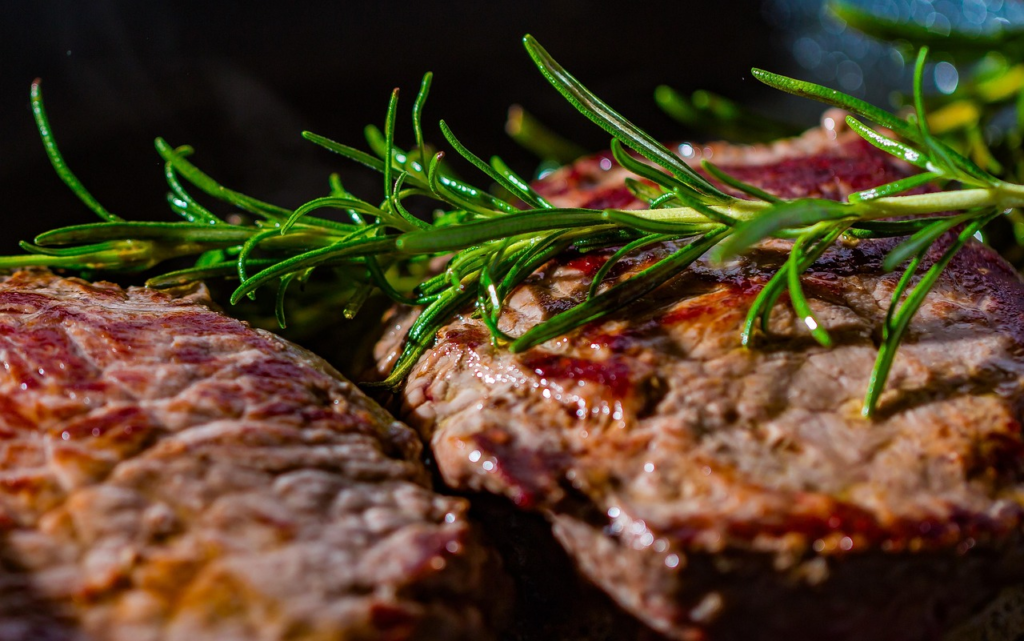
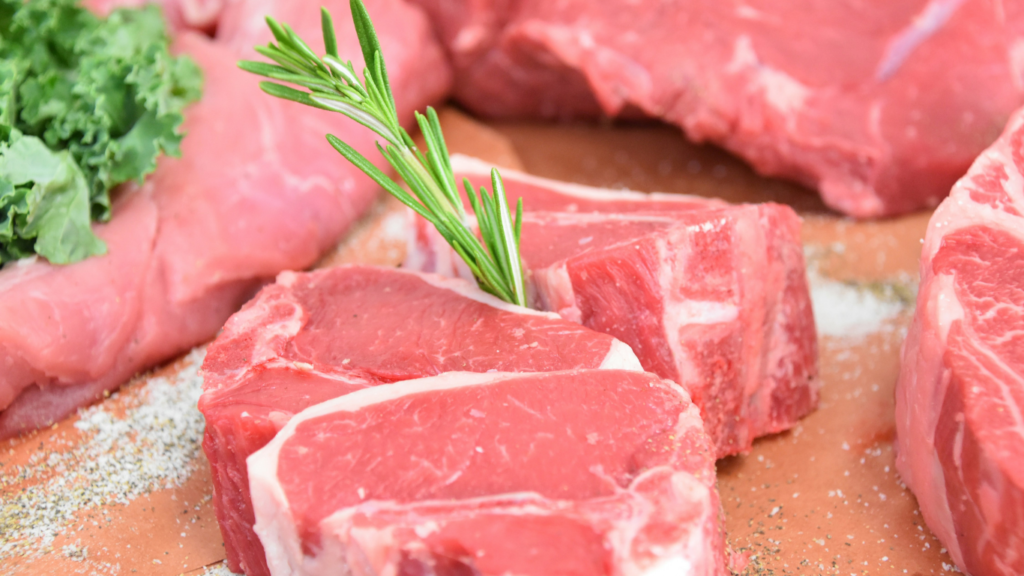
- Steaks (Ribeye, Filet Mignon, T-Bone, Porterhouse): These are best for grilling, pan-searing, or broiling. Ribeye is juicy with good marbling, while filet mignon is tender and lean.
- Roasts (Chuck, Round, Sirloin): These cuts are great for slow cooking, roasting, or braising. The chuck roast is particularly good for pot roast.
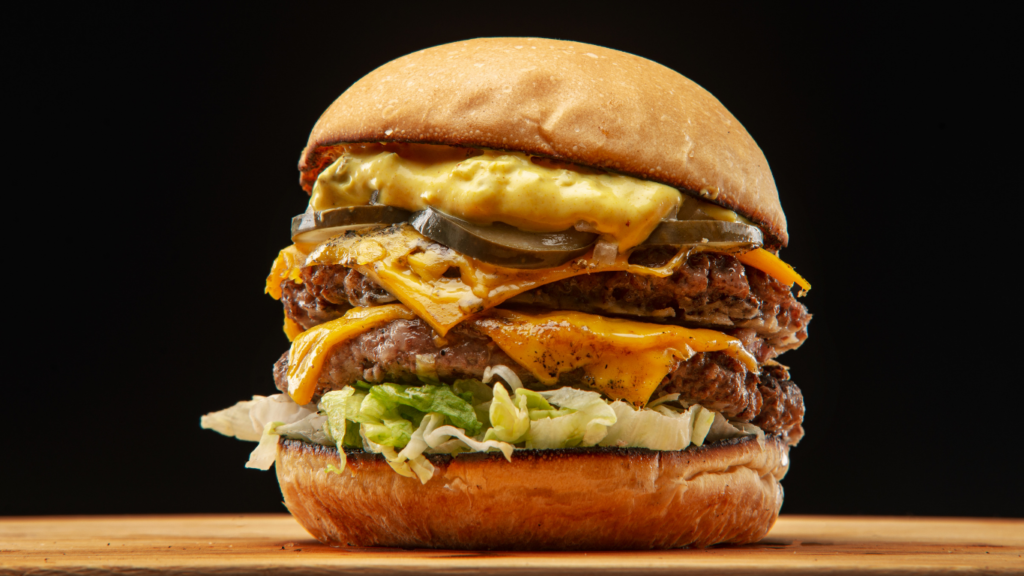
- Ground Beef: Perfect for burgers, meatballs, and tacos, ground beef is made from various cuts of meat.
- Brisket: A tough cut that benefits from slow cooking, often used for barbecues or braises.
Pork
Pork is another versatile option that can be enjoyed in many different dishes. From tenderloin to ribs, the possibilities for pork meat dishes are endless.
- Pork Chops: Best grilled or pan-seared, but thicker cuts can also be roasted.
- Pork Tenderloin: Lean and tender, it’s perfect for roasting or grilling.
- Ribs: Baby back ribs and spare ribs are best slow-cooked or barbecued to achieve tender, flavorful meat.
- Bacon: A beloved breakfast meat, perfect for frying or grilling.
Poultry (Chicken, Turkey, Duck)
Poultry is a staple in many kitchens because it’s versatile, affordable, and easy to cook.
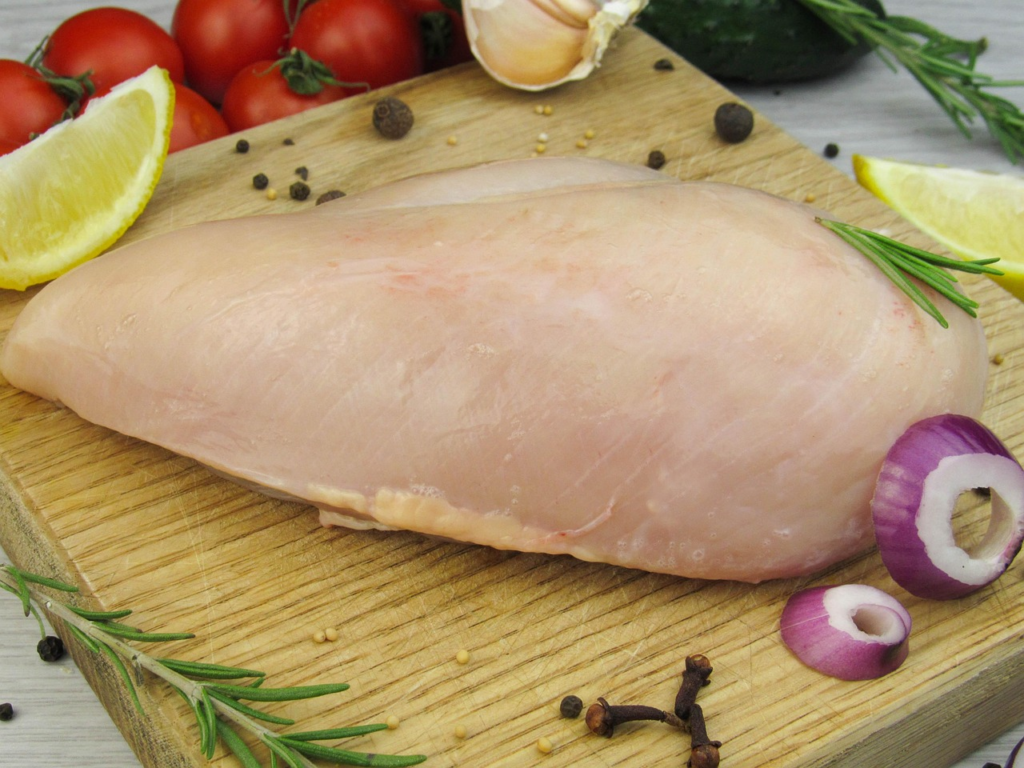
- Chicken Breasts: These are lean and versatile, perfect for grilling, baking, or sautéing.
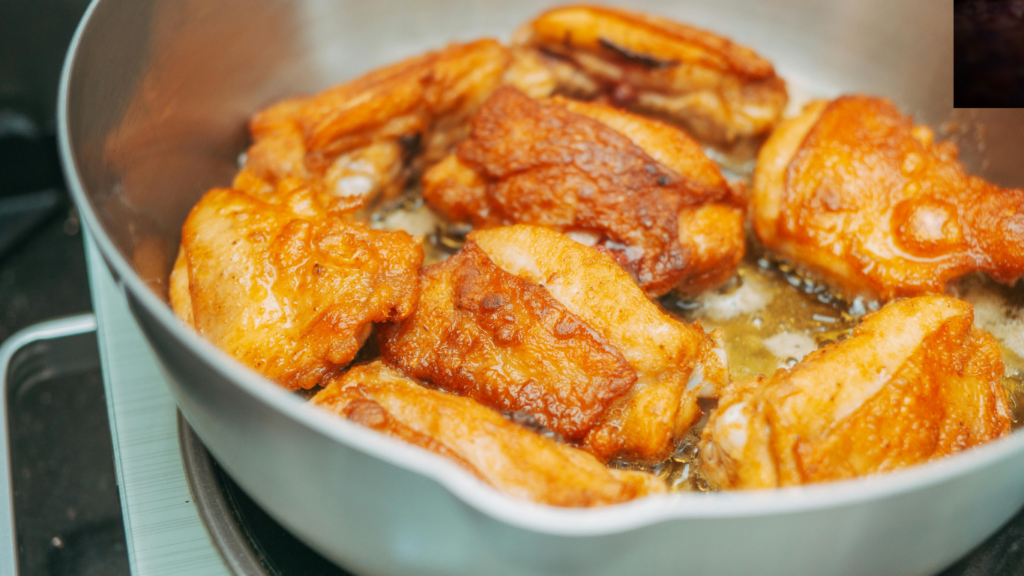
- Chicken Thighs: Richer in flavor and juicier than breasts, thighs are great for roasting or braising.
- Whole Chicken: Ideal for roasting or making stock, it provides multiple cuts and is often more economical than buying parts.
- Turkey: Most often roasted, turkey is great for large gatherings. The breast is lean, while the dark meat (legs and thighs) is moister and more flavorful.
- Duck: Rich and fatty, duck is often roasted or braised. The skin is typically rendered for a crispy finish.
Choosing the Right Cut for Your Meat Dish
Knowing what cuts work best for certain cooking methods is crucial. Here’s a breakdown of popular cooking methods and the cuts that are perfect for them:
- Grilling: Steaks (ribeye, T-bone, flank), chicken breasts, pork chops, lamb chops, and sausages.
- Roasting: Whole chicken, turkey, leg of lamb, pork loin, and beef roast.
- Braising: Short ribs, brisket, pork shoulder, lamb shanks, and chicken thighs.
- Slow-Cooking: Chuck roast, pork shoulder, beef stew meat, and lamb shoulder.
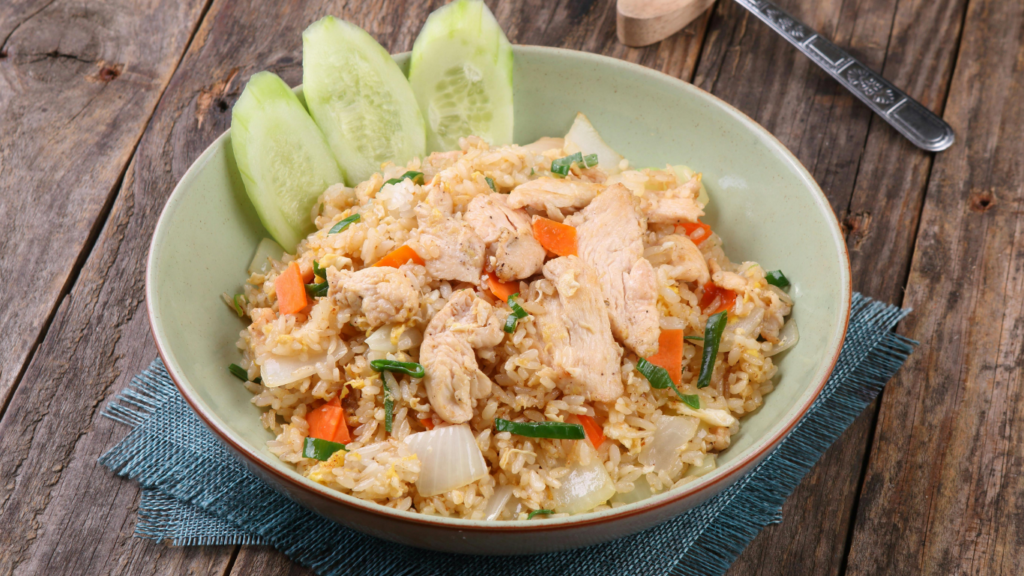
- Stir-Frying: Flank steak, chicken breast, pork tenderloin, and ground meat.
The Best Cooking Techniques for Meat Dishes
To bring out the best in your meat dishes, here are some tried-and-true cooking techniques:
Grilling: Preheat your grill and sear meats to lock in juices, then cook over indirect heat to finish.
Roasting: For even cooking, allow meats to come to room temperature before roasting. Always rest meat before slicing to retain juices.
Braising: This slow-cooking method helps tenderize tougher cuts. Brown your meat before simmering in liquid until tender.
Pan-Seared: Sear your meat in a hot pan with oil to develop a flavorful crust, then finish cooking in the oven if needed.
Slow-Cooking: Low and slow heat breaks down the connective tissue, resulting in tender, flavorful meat.
How to Know When Meat is Done
- Rare: 120-125°F
- Medium-Rare: 130-135°F
- Medium: 140-145°F
- Well Done: 160°F+
- 145°F (with a 3-minute rest)
- Rare: 120-125°F
- Medium-Rare: 130-135°F
- Medium: 140-145°F
- Well Done: 160°F+
- Poultry: 165°F (all parts of the bird
Pairing Meat Dishes with Sides
Pairing your main meat dish with the right sides can elevate the entire meal. Here are some popular pairings:
- Beef: Roasted potatoes, grilled vegetables, mashed potatoes, or a fresh green salad.
- Pork: Apple sauce, roasted Brussels sprouts, mashed sweet potatoes, or a tangy slaw.
- Lamb: Mint sauce, roasted root vegetables, couscous, or a Greek salad.
- Chicken: Roasted carrots, mashed potatoes, sautéed spinach, or corn on the cob.
- Turkey: Cranberry sauce, stuffing, mashed potatoes, or green beans.
- Duck: Roasted root vegetables, mashed potatoes, and an orange glaze.
Common Meat & Poultry Mistakes to Avoid
- Overcooking: Meat dries out quickly when overcooked. Always use a meat thermometer to ensure you’re cooking to the right temperature.
- Not Letting Meat Rest: After cooking, let meat rest for 5-10 minutes to allow the juices to redistribute.
- Skipping Marinades or Seasoning: Marinating or seasoning meat before cooking enhances the flavor and tenderness.
- Not Preheating Your Pan or Grill: A hot pan ensures you get a nice sear, which locks in juices and creates delicious caramelization.
Storage and Handling Tips
- Refrigeration: Always store meat in the coldest part of your refrigerator. Most raw meats should be used within 2-3 days of purchase.
- Freezing: If you won’t use the meat right away, freeze it in an airtight container. Label with the date and use within 3-6 months for best quality.
- Thawing: Always thaw frozen meat in the refrigerator or by using the defrost function on your microwave. Never thaw at room temperature.
Health Benefits of Eating Meat Dishes
Eating meat dishes offers several nutritional benefits that contribute to a balanced diet. Meat is a rich source of high-quality protein, essential for muscle growth and repair, as well as for maintaining overall health.
Additionally, meat provides vital nutrients such as iron, zinc, and B vitamins, which play crucial roles in energy production and immune function. The inclusion of meat in meals can enhance satiety, helping individuals feel fuller for longer periods, which may assist in weight management.
Furthermore, the variety of flavors and textures that meat dishes offer can make meals more enjoyable and satisfying.
Conclusion:
With this guide, you’ll be able to select, cook, and enjoy meat dishes with confidence. Remember, the key to great cooking is knowing your cuts and applying the right techniques. So, whether you’re a novice or an experienced chef, mastering meat and poultry will take your meals to the next level!