How to Cook Corn on the Cob that is Juicy and Crisp
Corn on the cob is one of those simple sides that should be easy — but it doesn’t always turn out the way you expect. Overcooked corn can be tough and bland, while undercooked corn can be crunchy and unpleasant.
This guide will show you the best way to cook corn on the cob so it stays tender, sweet, and full of flavor every time.
Why Cook Corn on the Cob?
Best Corn to Use
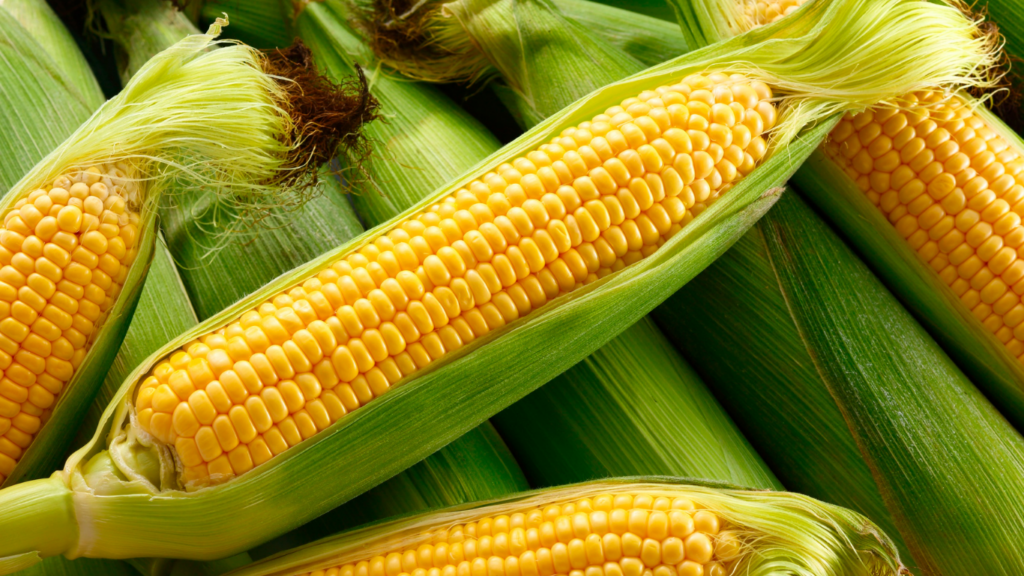
When selecting corn on the cob, look for plump ears with tight, green husks and fully developed kernels at the top. The kernels should be bright and evenly colored and smell sweet.
Frozen corn on the cob is also a good option and offers a lot of advantages. For one, it’s already cleaned and cut, saving significant prep time. Additionally, it cooks easily from frozen without thawing. Lastly, fresh corn is flash-frozen sealing in nutrients.
Best Way to Cook Corn on the Cob
The recommended method to cook corn on the cob is boiling. This method ensures that the corn cooks evenly and retains its natural sweetness.
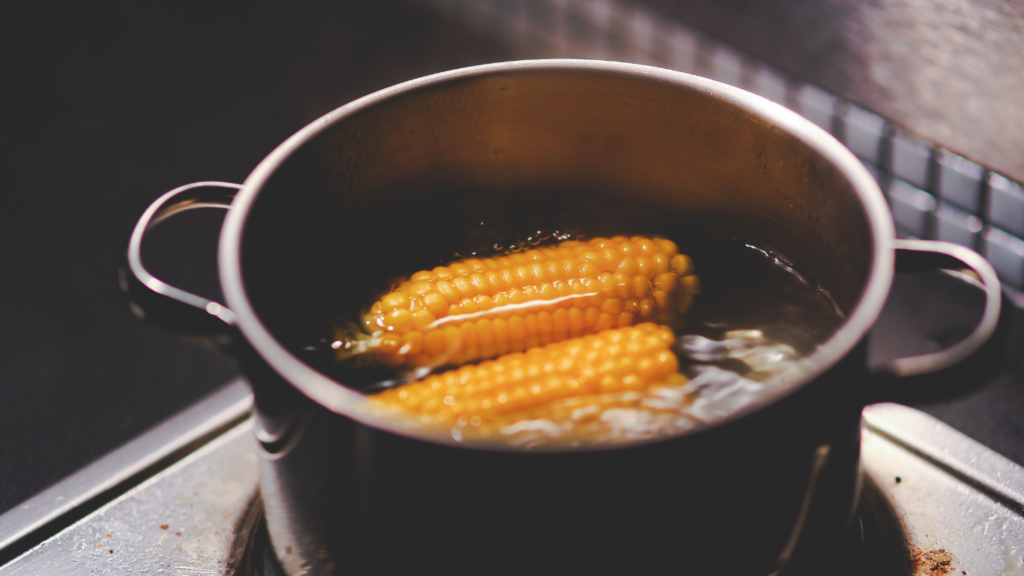
1. Bring a Large Pot of Water to a Boil
2. Add the Corn
Using tongs, carefully add the corn cobs to the boiling water. Do not overcrowd. You want the corn to cook evenly.
3. Cook Briefly
When you cook corn on the cob only boil for 3-5 minutes. Otherwise, the corn will be overcooked.
4. Remove and Serve Immediately
To avoid overcooking, remove the corn cobs as soon as they are done cooking. Serve with salt, pepper, and butter, if desired.
Other Ways to Cook Corn on the Cob
Here are some other methods to cook corn on the cob that are easy and delicious.
Grilled Corn
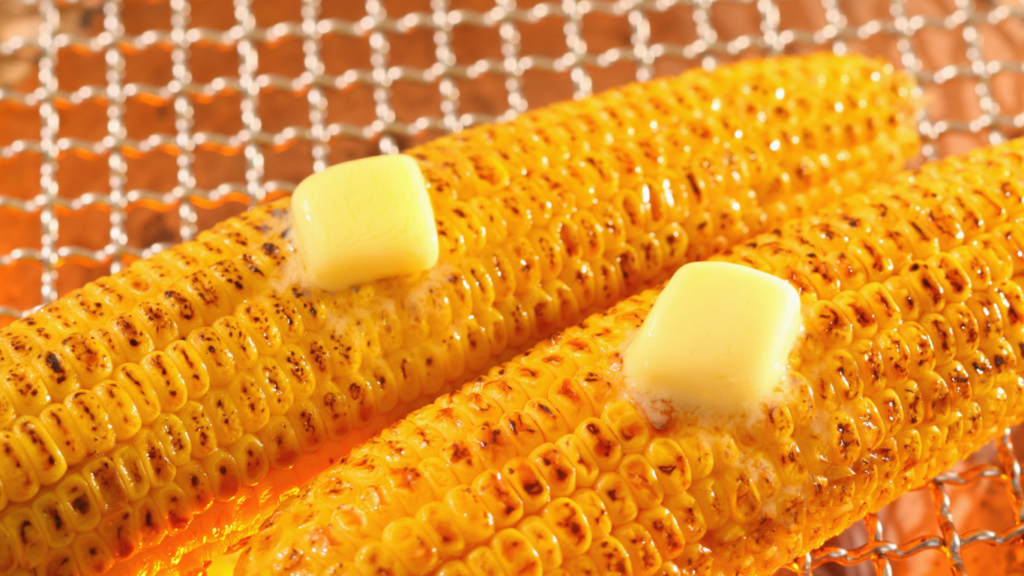
Grilled corn on the cob is a popular summer side dish that can be prepared on the grill using the following methods:
In the husk: The corn steams in its own moisture resulting in tender, juicy kernels with a slightly smoky flavor.
Without the husk: When you cook corn on the cob without the husk, the result will be charred, smoky, and slightly crispy kernels.
Cooked in foil: Here, you will get very tender and juicy kernels, but without the smoky flavor.
Oven-Roasted Corn
When properly cooked, roasted vegetables can be quite tasty and corn on the cob is no exception.
Oven-roasting corn on the cob is an excellent alternative to grilling and can be done by using the same methods described above.
Corn in the husk can be placed directly onto the oven rack (or a baking sheet) and baked. To cook in foil, you simply wrap the prepared corn tightly in aluminum foil and bake.
Microwaved Corn
To cook corn on the cob using the microwave, leave the husk on, and then microwave the corn on the high setting for approximately 4 minutes depending on your microwave. Using a towel, carefully remove the corn from the microwave, cut off the stem end, and squeeze the cooked, silk-free corn out of the husk.
Why Corn on the Cob Can Be Overcooked
Overcooked corn on the cob is primarily caused by boiling for too long or leaving it in hot water after the heat is off. Excessive cooking times break down the natural sugars into starches. This causes the kernels to lose their crispness and turn tough, chewy, or rubbery.
Common Corn on the Cob Mistakes
- Overcooking
- Letting corn sit too long
- Lack of seasoning
Final Thoughts
With a short cooking time and simple seasoning, corn on the cob can be one of the easiest and most satisfying sides you make. Keeping it simple helps the natural sweetness shine through.
How to Eat Corn on the Cob
While there is no right or wrong way to eat corn on the cob, everyone has their own style which is sometimes fun to watch. Some people start in the middle and work their way to the right and then to the left. Others opt for the edges and work their way to the center. Then there are those who randomly pick a spot to take a bite.
Another option advantageous for someone with teeth issues is to scrape the kernels off with a knife. Course then you’re just eating corn and not corn on the cob.
And what about butter? Most everyone likes to slather their corn in butter. In fact, a lot of dinner tables have a stick of butter on a plate specifically for rolling the corn in.
But if that’s not the case, you can put a few pats of butter on your plate and butter the rows as you go along. Either way, make sure you have your napkin handy.
If you really are not sure what to do, take the advice of Emily Post and just watch what others do.