The Most Healthy Foods You Should Eat Every Day
Eating healthy every day doesn’t have to be complicated. With just a few simple, nutrient-dense foods, you can support your overall well-being and feel your best. But with so many options out there, it can be difficult to know which foods truly deserve a spot in your daily diet.
In this post, we’ll dive into the top healthy foods to eat every day, how they benefit your body, and easy ways to incorporate them into your meals.
In This Article
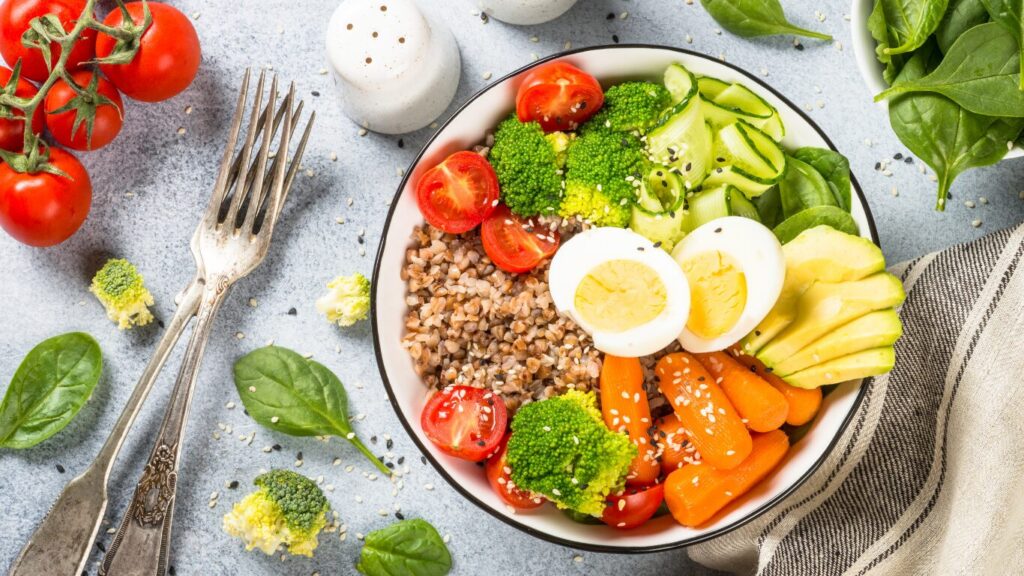
Top Healthy Foods You Should Eat Every Day
The significance of incorporating nutritious foods you should eat every day into your daily diet cannot be overstated. Consuming a variety of healthy foods provides essential vitamins, minerals, and antioxidants that support overall well-being and help prevent chronic diseases.
A balanced diet rich in fruits, vegetables, whole grains, and lean proteins not only enhances physical health but also contributes to improved mental clarity and emotional stability.
By prioritizing these foods, individuals can foster a lifestyle that promotes longevity and vitality, ultimately leading to a higher quality of life.
Green Leafy Foods You Should Eat Every Day
- Support heart health
- Improve digestion due to high fiber content
- Aid in detoxification
- Provide antioxidants that help fight inflammation
- Add a handful of spinach to your smoothies
- Make a kale salad with olive oil and lemon
- Toss leafy greens into soups, stews, or stir-fries
Most Healthy Berries
Of all the foods you should eat every day, blueberries rank high. They are highly nutritious, low-calorie “superfoods” packed with antioxidants (especially anthocyanins) that combat oxidative stress and inflammation. Blueberry’s key health benefits include improving heart health by lowering blood pressure and cholesterol, supporting brain function and memory, managing type 2 diabetes, promoting digestive health, and aiding in muscle recovery.
Here are other berries that are top contenders for health:
- Raspberries: High in fiber and a source of anti-inflammatory polyphenols, contributing to improved cardiovascular health. They are also high in vitamin C and beneficial for blood sugar management.
- Strawberries: A major source of vitamin C and potassium, aiding in immune function and heart health. They also contain ellagic acid, which supports healthy skin and reduces inflammation.
- Cranberries: Known for preventing UTI bacteria from adhering to the bladder, according to Healthline. They are rich in compounds like quercetin that reduce chronic disease risks.
- Acai Berries: High in antioxidants and fatty acids, often used for immune system stimulation.
- Elderberries: Particularly effective at fighting respiratory conditions, including colds and flu.
- Goji Berries: High in vitamin A and zeaxanthin, which are essential for eye health.
- Gooseberries/Currants: Highly nutritious with significant vitamin C and potassium content.
How to Include Them:
- Add them to your morning oatmeal or yogurt
- Use as a topping for salads
- Blend them into smoothies
Both fresh and frozen berries offer excellent nutritional value and are among the best foods to include in a diet, particularly for brain and heart health.
Health Benefits to Eating Nuts and Seeds
Almonds, walnuts, chia seeds, and flaxseeds are packed with healthy fats, protein, and fiber. They are excellent sources of omega-3 fatty acids and antioxidants, making them a high consideration in foods you should eat every day.
Health Benefits:
- Supports brain health and reduce the risk of heart disease
- Improves skin health with healthy fats
- Aids in weight management by promoting satiety
How to Include Them:
- Snack on a handful of almonds or walnuts
- Add chia seeds or flaxseeds to your smoothies or overnight oats
- Use nut butter (peanut, almond, or cashew) as a spread or dip
Should You Be Eating Nuts and Seeds Every Day?
Yes, you should aim to eat a small handful (roughly 1 ounce or 28-30g) of raw or unsalted nuts and seeds daily. Daily consumption is linked to lower risks of cardiovascular disease, cancer, and mortality, providing nutrient-dense healthy fats, protein, and fiber. Focus on variety, such as walnuts, almonds, and chia seeds.
Whole Grain Foods
Whole grain foods you should eat every day include oats, quinoa, brown rice, barley, and whole-wheat pasta/bread. These fiber-rich foods improve heart health, digestion, and satiety. Aim for at least 3 servings (about 48g) daily, such as oatmeal for breakfast and brown rice or quinoa at dinner, to ensure you get essential nutrients.
Best Whole Grain Foods You Should Eat Every Day
- Oats/Oatmeal: Excellent for heart health due to beta-glucan fiber, which helps lower cholesterol.
- Quinoa: A complete protein containing all nine essential amino acids, ideal for salads or as a rice substitute.
- Brown Rice: A versatile, gluten-free option with more fiber and protein than white rice.
- Whole-Wheat Bread & Pasta: Easy swaps for refined white flour products to increase daily fiber intake.
- Barley: High in fiber and great for adding texture to soups, stews, and salads.
- Bulgur: Fast-cooking wheat that provides significant fiber, perfect for tabbouleh.
- Farro: A high-protein, high-fiber ancient grain with a chewy, nutty texture.
- Popcorn: A healthy, whole-grain snack when air-popped (3 cups = 1 serving).
- Whole-Grain Cereals: Look for options with at least 3 grams of fiber and 5 grams of protein per serving.
How to Identify Real Whole Grains
- Check the Label: The first ingredient should say “whole wheat,” “whole oats,” or “whole [grain name]”.
- Look for the Stamp: The Whole Grain Council stamp indicates the product contains a significant amount of whole grains
Health Advantages of Eating Avocados Every Day
Eating an avocado daily offers significant health benefits, including improved heart health, better weight management, enhanced nutrient absorption, and healthier skin. Rich in monounsaturated fats, fiber, and potassium, daily consumption helps lower LDL cholesterol, increases satiety to prevent overeating, and boosts skin firmness. Regular consumption improves gut microbiota diversity, promoting better digestive health.
While beneficial, avocados are calorie-dense. A typical serving is about 1/2 an avocado per day rather than a full fruit to manage calorie intake while enjoying the benefits.
Should You Eat Eggs Every Day?
For most healthy adults, it is safe and nutritious to eat one to two eggs per day. Eggs provide high-quality protein, essential nutrients like vitamin D and choline, and antioxidants that support eye health (lutein and zeaxanthin). They can be part of a balanced diet without significantly affecting blood cholesterol or heart health risks for many people
While previous fears about eggs and cholesterol have been largely debunked, moderation is still advised for high-risk individuals. If you have diabetes, high cholesterol, or existing cardiovascular disease, you may need to limit consumption to 3–4 whole eggs per week, or consider using more egg whites instead of whole eggs.
Healthiest Way to Eat Eggs
The healthiest ways to eat eggs are poached or boiled (hard or soft) because these methods add no extra calories, prevent high-heat nutrient damage, and keep cholesterol oxidation low. Pair eggs with vegetables for fiber, avoid overcooking, and choose pasture-raised eggs when possible to maximize nutrient density.
Healthiest Beans to Eat Every Day
Top Healthiest Beans by Nutrient Profile:
- Lentils: Exceptionally rich in fiber (7.8g per 1/2 cup) and plant protein, they contain polyphenols with anti-inflammatory properties, providing high satiety.
- Black Beans: High in fiber and protein, they are packed with antioxidants like anthocyanins and minerals like magnesium.
- Soybeans/Edamame: The best protein source, soy provides a complete protein with all essential amino acids and is rich in iron, phosphorus, and magnesium.\
- Chickpeas (Garbanzo Beans): Excellent sources of protein and fiber, they are rich in potassium and magnesium for heart health and blood pressure regulation.
- Navy Beans: Often cited as having the highest fiber content (around 9.5g per 1/2 cup), they are great for gut health and fiber intake.
- Kidney Beans: Known for a high fiber content that helps with blood sugar control.
- Pinto Beans: High in fiber and folate, they help with heart health and lower cholesterol.
Olive Oil Benefits
Olive oil, especially extra virgin (EVOO), is a cornerstone of a healthy diet, rich in monounsaturated fats (mainly oleic acid) and potent antioxidants like polyphenols. It reduces inflammation, lowers bad (LDL) cholesterol, boosts heart health, helps manage blood sugar, and supports cognitive function.
Key Health Benefits of Oil
- Heart Health & Cholesterol: Olive oil reduces inflammation, lowers LDL (“bad”) cholesterol, and improves HDL (“good”) cholesterol, reducing the risk of heart disease and stroke.
- High in Antioxidants: It is loaded with polyphenols, which fight oxidative stress, protect blood cholesterol from oxidation, and reduce the risk of chronic diseases.
- Anti-inflammatory Properties: Contains oleocanthal, a compound with anti-inflammatory effects similar to ibuprofen, which may help reduce risks of arthritis and chronic illness.
- Brain and Cognitive Health: Regular consumption is linked to improved cognitive function and a lower risk of neurodegenerative diseases, such as Alzheimer’s.
- Digestive Health: It can help manage gut health by reducing bad bacteria and easing digestion.
- Blood Sugar Management: Olive oil helps regulate blood sugar and improve insulin sensitivity, aiding in type 2 diabetes prevention.
- Bone Density & Weight: Antioxidant properties may help increase bone density. While calorie-dense, its healthy fats can aid in weight management by increasing satiety.
What is the Healthiest Meat to Eat Every Day
The healthiest meats to eat daily are lean, minimally processed options such as skinless chicken breast, turkey, and lean pork tenderloin. These provide high-quality protein with low saturated fat, essential for heart health, muscle maintenance, and sustained energy. Other excellent choices include wild-caught fish and grass-fed beef in moderation.
Best Meat Choices
The best meat choices that fall under the category of foods you should are lean cuts of meat which are rich in essential nutrients such as iron, zinc, and B vitamins. This includes lean cuts of poultry, such as chicken and turkey. These are excellent options due to their lower fat content and high protein levels.
Fish, particularly fatty varieties like salmon and mackerel, provide beneficial omega-3 fatty acids, which are important for heart health.
Likewise, lean pork is a healthy, nutrient-dense protein source, often comparable to chicken in fat content. Cuts like pork tenderloin are heart-healthy
Additionally, lean cuts of red meat, such as sirloin or tenderloin, can be included in moderation, as they offer essential nutrients like iron and zinc. Ultimately, prioritizing these healthier meat choices can contribute significantly to a balanced diet.
Key Considerations for Daily Consumption:
- Preparation Method: Grill, roast, or steam rather than fry.
- Minimize Processed Meat: Limit sausages, bacon, and deli meats, which are high in sodium and preservatives.
- Portion Control: Keep portions around 3 ounces (size of a deck of cards).
Healthy One Pot Meals
A one pot meal is not only convenient, but it is a good way to incorporate foods you should eat every day into your diet. Combining various healthy ingredients, such as in this one pan chicken vegetable stir fry, encourages the use of diverse ingredients, promoting a balanced diet. Additionally, the ability to incorporate vegetables, proteins, and grains in one dish enhances the overall nutritional value, making it easier to consume wholesome meals regularly.
Healthy Side Foods You Should Eat Every Day
Side dishes offer many choices for foods you should eat every day to complement your main meal. By selecting these wholesome side dishes, you can significantly contribute to a balanced diet and overall well-being.
Top Healthy Side Dish Foods You Should Eat Every Day
- Roasted Vegetables: Brussels sprouts, broccoli, cauliflower, carrots, and sweet potatoes seasoned with olive oil, garlic, and herbs.
- Leafy Green Salads: Arugula with citrus, spinach with chickpeas, or kale Caesar salad.
- Cucumber Salads: Smashed cucumber salad with soy sauce and rice vinegar, or Greek tomato and cucumber salad with feta.
- Hearty Grains & Legumes: Quinoa with lemon, lentils, or barley with roasted vegetables.
- Green Beans & Asparagus: Blistered green beans with ginger or Parmesan roasted asparagus.
Food Safety Practices for Foods You Should Eat Every Day
Regardless of how healthy certain foods are, practicing food safety is crucial. Contamination and improper storage and handling of food can compromise their nutritional value and pose health risks. Even the freshest produce can harbor harmful bacteria or pesticides if not handled correctly, leading to foodborne illnesses.
By adhering to safety protocols, such as proper washing, cooking, and storage techniques, we can maximize the benefits of nutritious foods while minimizing potential hazards. This vigilance not only protects individual health but also promotes overall public safety in food consumption.
Follow these food safety tips and you can feel confident the foods you should eat every day will be safe to consume and contribute to greater health.
- Wash hands with soap and water for 20 seconds before, during, and after food prep.
- Wash cutting boards and counters with hot, soapy water, especially after handling raw meat or poultry.
- Rinse all fruits and vegetables under running water, even if you plan to peel them, such as melons and cucumbers. Do not use soap or detergents.
- To prevent contamination, use separate cutting boards and plates for raw meat/poultry and ready-to-eat foods like vegetables or bread. Use plastic bags for raw meat in the cart and store them on the lowest shelf in the fridge.
- For safe cooking temperatures, use a food thermometer to check internal temperatures.
- Never thaw meat on the kitchen counter. Follow these safety measure for how to safely defrost meats.
- Store leftovers in refrigerator within 2 hours, or 1 hour if the ambient temperature is over 90°F.
- Keep your refrigerator temperature at or below 40°F (4°C) and your freezer at 0°F (-18°C).
- Consume leftovers within 3–4 days. When reheating, make sure they reach 165°F.
Incorporating Healthy Foods You Should Eat Every Day Into Your Daily Routine
Incorporating these foods into your everyday meals doesn’t have to be difficult. Here are some tips to make it easier:
- Meal Prep: Plan your meals ahead of time so that you always have healthy ingredients on hand.
- Smoothies: Blend fruits, leafy greens, nuts, and seeds into a delicious smoothie for an easy, nutritious breakfast or snack.
- Snacks: Keep a stash of healthy snacks like nuts, Greek yogurt, or fresh berries in your kitchen or office.
- Balanced Meals: Aim for a balanced plate with a mix of healthy fats, protein, and fiber at each meal. For example, a salad with leafy greens, quinoa, avocado, nuts, and a lean protein source.
How to Read Food Labels
Reading food labels is a simple task that can easily help you choose foods you should eat every day. To read food labels effectively, start by checking the serving size and servings per container, as all nutrient amounts listed are based on one serving. Compare calories and nutrients against your daily needs using the Percent Daily Value (%DV), aiming for 5% or less for unhealthy nutrients (saturated fat, sodium) and 20% or more for healthy ones (fiber, vitamins).
Look for these specific things:
- Check for added sugars to distinguish from naturally occurring sugars.
- Choose products with lower milligrams of sodium per serving, ideally less than 140 mg per serving for a low-sodium choice.
- Look for 3 grams or more fiber per serving.
Also, beware of hidden names for sugar (e.g., high fructose corn syrup) and salt.
Conclusion:
Eating healthy every day is all about making small, consistent changes that support your health and well-being. By developing healthy eating habits and incorporating foods you should eat every day into your diet, you’ll provide your body with the vitamins, minerals, fiber, and healthy fats it needs to thrive. Whether you’re making simple swaps or building your meals around these foods, it’s never been easier to make healthy eating a part of your daily routine.