The Ultimate Guide to Healthy Eating Habits and Behaviors
Adopting healthy eating habits is key to feeling better, improving overall health, and living a longer, more vibrant life. Whether you’re aiming to lose weight, maintain your current health, or simply feel more energized throughout the day, healthy eating habits can transform your life. In this comprehensive guide, we’ll explore how to build a solid foundation for proper eating, from meal planning to portion control, hydration, and navigating special diets.
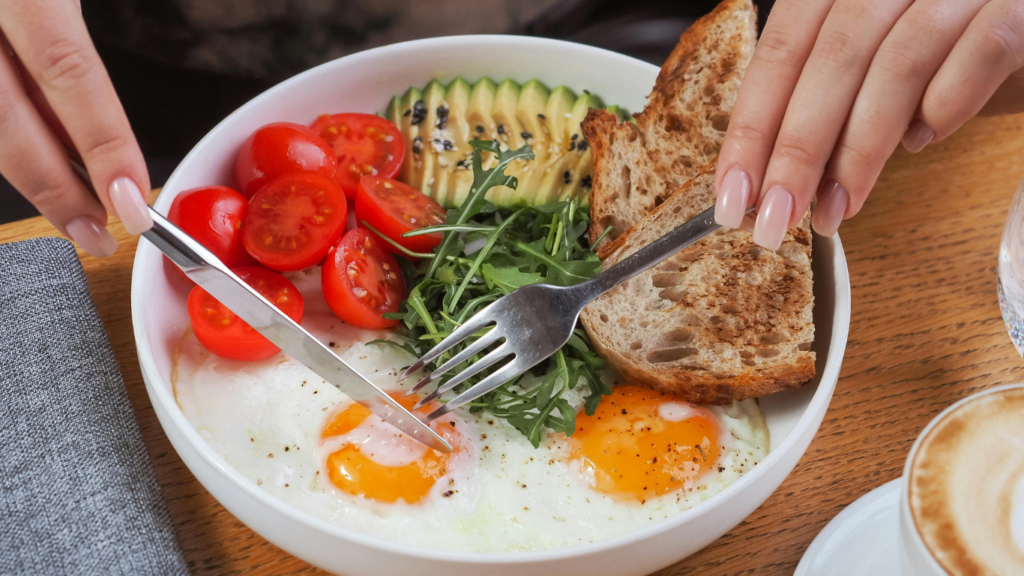
The Importance of Healthy Eating Habits
Before diving into the specifics, it’s crucial to understand why healthy eating habits are so important. Proper eating fuels our bodies, supports our immune systems, and can prevent a wide range of chronic diseases, including heart disease, diabetes, and obesity. Healthy eating helps maintain energy levels, supports mental clarity, and enhances mood, making it a cornerstone of a balanced lifestyle.
Guidelines from the American Heart Association advise reading labels, eating reasonable portions, and cooking and eating at home to establish control over ingredients and preparation methods.
Healthy Meal Planning and Preparation for Healthy Eating
One of the best ways to ensure you stick to healthy eating habits is through meal planning. Properly planned meals give you control over what you eat and help avoid last-minute unhealthy choices.
- How to Plan Balanced Meals for the Week
Start by including a variety of foods in each meal—lean proteins, healthy fats, fiber-rich carbohydrates, and plenty of fruits and vegetables. A well-balanced plate promotes healthy eating habits by stabilizing blood sugar levels and keeping hunger at bay.
- Easy Meal Prep Ideas for Busy People
Dedicate time once a week to prepare meals in bulk. You can batch-cook ingredients like grains, vegetables, and proteins, then store them in the fridge or freezer for quick access throughout the week. This makes maintaining healthy eating habits even easier.
- Grocery Shopping Tips for Healthy Eating
Stick to a shopping list and prioritize whole, unprocessed foods. Spend more time in the produce section and around the perimeter of the store, where fresh and minimally processed items tend to be. These choices are the foundation for maintaining healthy eating habits.
Taking Advantage of Healthy Cooking Methods
Choosing healthy cooking methods can significantly promote healthy eating and enhance your overall well-being. By opting for techniques such as steaming, grilling, or baking instead of frying, you can reduce the amount of unhealthy fats and calories in your meals. This not only contributes to weight management but also lowers the risk of chronic diseases such as heart disease and diabetes.
Additionally, healthy cooking methods often preserve more nutrients in the food, ensuring that you receive the maximum health benefits from the ingredients you use. Ultimately, adopting these practices fosters a more nutritious diet, promoting better health and vitality.
Portion Control and Mindful Eating for Healthy Eating Habits
Eating the right foods is only part of the equation; how much you eat is just as important.
- How to Recognize Healthy Portion Sizes
A healthy portion isn’t just about counting calories; it’s about listening to your body. For example, a serving of protein should be about the size of your palm, while vegetables can fill half your plate. Smaller portions help you stick to healthy eating habits without overeating.
- Benefits of Mindful Eating for Weight Management
Mindful eating encourages you to focus on the experience of eating—tasting, savoring, and enjoying each bite. This can reduce overeating and help you tune into your body’s hunger and fullness cues supporting healthy eating habits.
- The Role of Portion Control in Healthy Eating
When we eat mindlessly, it’s easy to overeat, even if the food is healthy. Portion control prevents this by helping you become more conscious of how much you’re eating and reinforces healthy eating habits.
Nutritional Value of Meat
Main Course Meat Dishes
Adding meat dishes to your diet supports healthy eating habits because meat provides essential nutrients that are vital for overall health and well-being. Meat is a nutrient-dense food that supplies high-quality protein, vitamins, minerals, and healthy fats. These nutrients are crucial for building and repairing tissues, supporting muscle growth and maintenance, and regulating various physiological processes in the body.
Additionally, meat is a significant source of important minerals such as iron, zinc, selenium, and phosphorus, which are involved in numerous physiological processes, including oxygen transport, immune function, DNA synthesis, and bone health. Meat also provides healthy fats, particularly if chosen from lean cuts or grass-fed varieties, which are essential for heart health, brain function, and reducing inflammation in the body. Including meat in your meals can help increase satiety and feelings of fullness, which may help prevent overeating and support weight management goals.
One-Pot Meals
Preparing one-pot meals serve as an effective means of promoting healthy eating habits by simplifying meal preparation and encouraging the inclusion of a variety of ingredients. By combining proteins, vegetables, and grains in a single dish, these meals facilitate balanced nutrition while minimizing the need for extensive cooking techniques and multiple dishes.
This approach not only saves time but also reduces food waste, as it allows for the use of leftover ingredients. Furthermore, the ease of preparation can lead to more frequent home cooking, which is often healthier than dining out or relying on processed foods.
Healthy Side Dishes
Incorporating healthy side dishes into your meals is an effective strategy for developing nutritious eating habits. By selecting a variety of vegetables, whole grains, and legumes as accompaniments, you can enhance the overall nutritional profile of your meals. This approach not only adds flavor and texture but also increases the intake of essential vitamins and minerals. Gradually introducing these side dishes can help create a balanced diet, making it easier to adopt healthier eating patterns over time.
Nutrient-Dense Foods for Optimal Health
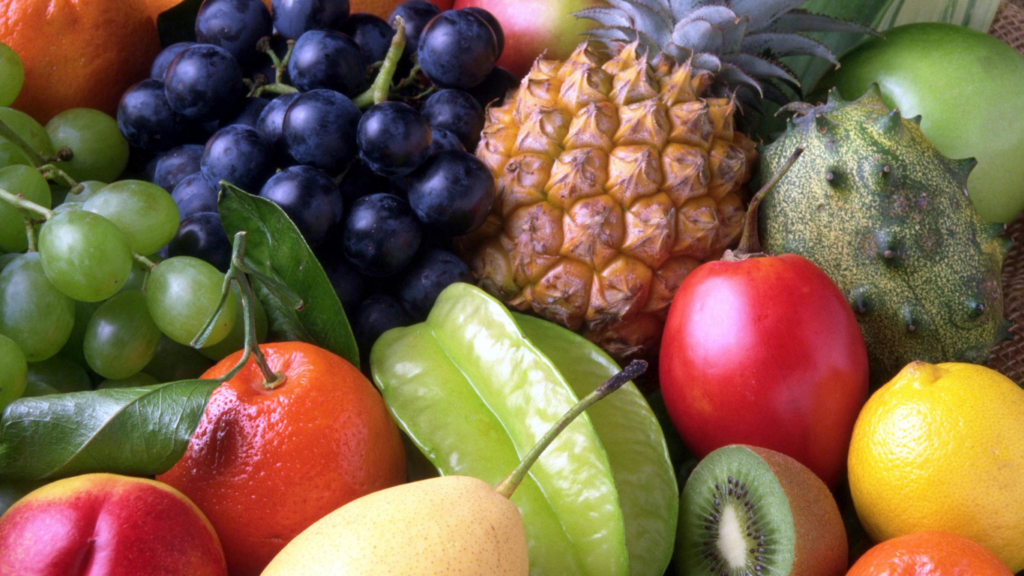
Focusing on nutrient-dense foods means you’re prioritizing the nutrients your body needs rather than just empty calories.
- Top Nutrient-Dense Foods to Include in Your Diet
Include foods like leafy greens, berries, whole grains, nuts, seeds, and legumes. These foods pack more vitamins, minerals, and antioxidants per calorie than processed foods.
- Understanding Macronutrients: Carbs, Protein, and Fats
Each macronutrient has a role in healthy eating. Carbs provide energy, protein helps build and repair muscles, and fats support brain function and help absorb vitamins. A balanced intake of all three is essential for overall health.
- How to Include More Vegetables in Your Diet
Add veggies to every meal—throw them into smoothies, soups, omelets, or stir-fries. You can even sneak them into snacks (like carrot sticks or cucumber slices with hummus) to increase your daily intake and support healthy eating habits.
The Importance of Hydration
Staying hydrated is often overlooked but is vital for good health.
- How Much Water Should You Drink Each Day?
While the exact amount varies from person to person, aiming for around 8 cups (64 ounces) of water per day is a good starting point. If you’re active or in a hot climate, you may need more.
- Hydration and Its Impact on Health and Energy
Dehydration can lead to fatigue, headaches, and difficulty concentrating. Proper hydration supports digestion, helps flush toxins from the body, and keeps energy levels steady.
- Best Hydrating Foods to Add to Your Diet
Fruits and vegetables, like watermelon, cucumbers, and oranges, are great for hydration and offer a bonus of vitamins and fiber.
Eating for Different Lifestyles
Everyone’s nutritional needs vary based on their lifestyle and goals.
- Eating Habits for Weight Loss Success
For weight loss, focus on nutrient-dense foods while cutting back on processed foods high in sugar and unhealthy fats. Balancing calorie intake with physical activity is one of the best healthy eating habits for managing weight.
- Nutritional Tips for Athletes and Active Lifestyles
Active individuals need to fuel their bodies for performance. Focus on complex carbs, lean proteins, and healthy fats to support energy and muscle recovery.
- Eating for Healthy Aging and Longevity
As we age, our bodies require more vitamins and minerals, especially calcium, vitamin D, and antioxidants. Eating a variety of colorful fruits and vegetables can help slow the aging process and promote longevity.
- Eating for Mental Health and Cognitive Function
Foods like fatty fish, nuts, and dark chocolate are rich in nutrients that support brain health. A healthy diet can reduce the risk of cognitive decline and improve mental clarity.
Building Healthy Eating Habits for Families

Healthy eating starts at home, and it’s important to instill good habits in children early on.
- How to Encourage Healthy Eating in Kids
Offer a variety of healthy options, make meals fun, and avoid using food as a reward or punishment. Getting kids involved in meal preparation can also help them build a positive relationship with food fostering healthy eating habits.
- Family-Friendly Meal Ideas That Are Nutritious and Delicious
Prepare meals that are simple yet full of nutrients. Dishes like vegetable-packed casseroles, homemade soups, and grilled chicken with roasted vegetables make family meals fun and healthy.
- Setting a Good Example: Teaching Healthy Eating Habits to Children
Children are more likely to adopt healthy eating habits if they see their parents making good choices. Be a role model by enjoying healthy foods yourself.
Navigating Special Diets
Many people follow specialized diets for various reasons, whether it’s due to health conditions, ethical beliefs, or weight goals. Healthy eating habits can be adapted to fit any dietary preference.
- How to Follow a Plant-Based Diet for Beginners
A plant-based diet focuses on whole grains, legumes, vegetables, fruits, and nuts. Plan meals carefully to ensure you’re getting all the essential nutrients, like protein and iron as part of your healthy eating plan.
- The Benefits and Challenges of Gluten-Free Eating
For individuals with celiac disease or gluten sensitivity, a gluten-free diet is essential. Focus on naturally gluten-free foods like quinoa, rice, and fresh fruits and vegetables.
- Eating for a Balanced Ketogenic Diet
The ketogenic diet focuses on high fats, moderate protein, and low carbs. It may help with weight loss and blood sugar control, but it’s important to monitor nutrient intake carefully to avoid deficiencies.
- The Mediterranean Diet: What It Is and Why It Works
This diet emphasizes whole grains, healthy fats (like olive oil), fish, and plenty of vegetables. It’s linked to a reduced risk of heart disease and offers numerous health benefits.
Understanding Food Labels
Being able to read and understand food labels is a crucial skill for healthy eating.
- How to Read Food Labels for Healthier Choices
Learn how to identify key information on food labels, such as serving size, calories, and nutrient content. Focus on foods with minimal added sugars and unhealthy fats.
- The Truth Behind “Natural” and “Organic” Food Labels
“Natural” doesn’t always mean healthy. Organic foods are grown without synthetic pesticides and fertilizers, but it’s still important to check for overall nutritional value.
- Decoding Nutritional Information: What to Look For
Pay attention to the ingredient list and the amounts of sodium, added sugars, and unhealthy fats. The shorter the ingredient list, the better.
How Food Safety Affects Healthy Eating Habits
Practicing food safety is essential for cultivating healthy eating habits, as it ensures that the food we consume is free from harmful pathogens and contaminants. By storing food properly and adhering to safe food handling guidelines, we can effectively reduce the risk of foodborne illnesses, which can undermine overall health and nutrition.
Moreover, a commitment to food safety encourages mindfulness about food choices, promoting the selection of fresh, wholesome ingredients and fostering a greater awareness of dietary practices. Ultimately, integrating food safety into daily routines not only protects physical well-being but also supports the development of sustainable and health-conscious eating behaviors.
Conclusion
Building healthy eating habits takes time and consistency. Start small by incorporating one or two of the strategies mentioned above into your routine, and over time, you’ll develop lasting habits that will enhance your health and well-being. Remember, it’s not about perfection—it’s about progress and creating a sustainable lifestyle that supports your goals.