Find the Right Healthy Cooking Method for Specific Foods
Healthy cooking is about more than just using fresh ingredients–it’s about how we prepare them. When it comes to preparing nutritious meals, the cooking method you choose can make a significant difference in the final dish. Healthy cooking methods not only preserve the natural flavors and textures of food, but they also retain key nutrients, reduce unnecessary fats, and promote better overall health.
In this guide, we’ll explore some of the best healthy cooking methods to help you make the most out of every meal.
In This Article
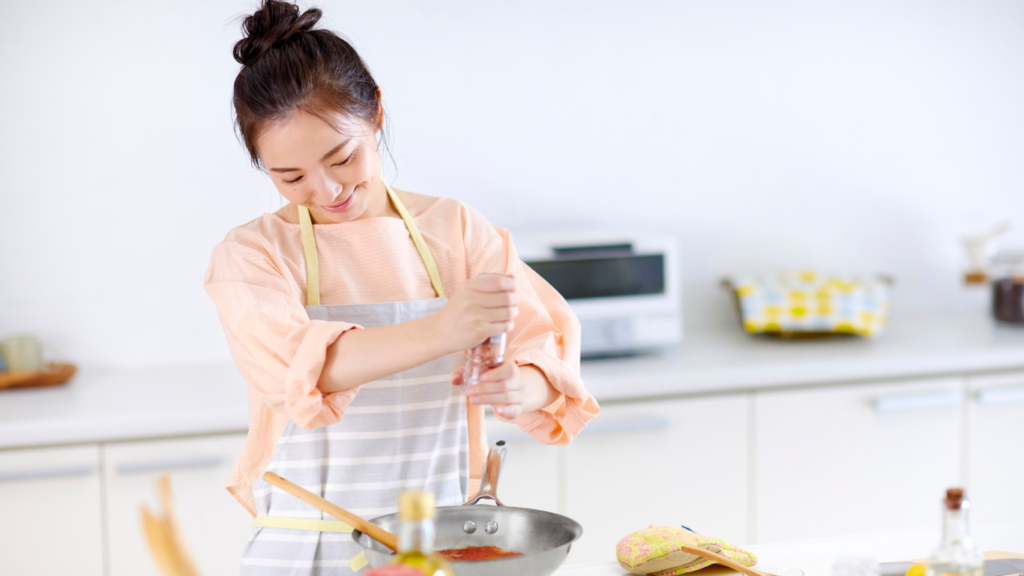
Healthy Cooking Methods: Why it Matters
The choice of cooking method is crucial as it significantly influences the flavor, texture, and nutritional value of food. Different techniques, such as boiling, grilling, or sautéing, can enhance or diminish the natural qualities of ingredients.
For instance, high-heat methods like grilling can create a desirable char and depth of flavor, while gentle techniques like steaming preserve nutrients and moisture. Additionally, the right cooking method can ensure food safety by effectively eliminating harmful bacteria. Therefore, understanding and selecting appropriate cooking methods is essential for achieving optimal culinary results.
While it is important to select the right cooking method to maximize the nutritional quality of your meal, Healthline nutrition experts assert there is no perfect cooking method that retains all nutrients. However, cooking for shorter periods at lower temperatures with minimal water gives the best results.
Top Healthy Cooking Methods
Steaming: A Nutrient-Preserving Powerhouse
Steaming is one of the healthiest cooking methods because it preserves the nutrients in food, particularly vegetables. Unlike boiling, where vitamins can leach into the water, steaming locks in nutrients.
Steaming is best suited for vegetables, fish, dumplings, and even eggs.
Steaming Tips:
- Steam your veggies until just tender to retain their vitamins.
- Use a steam basket or a pot with a tight-fitting lid to ensure even cooking.
- Try flavoring the water with herbs or lemon for extra taste.
Grilling: Adds Flavor Without Extra Fat
Grilling allows excess fat to drip away from the food, making it an ideal choice for lean proteins like chicken and fish. This cooking method adds a distinct smoky flavor without the need for added oils or fats.
This healthy cooking method is best suited for lean meats, vegetables, and fruits (like peaches or pineapples).
Grilling Tips:
- Use a grill brush to clean the grates before cooking to prevent sticking.
- Marinate meats with healthy ingredients like olive oil, herbs, and citrus to add flavor without extra calories.
- Avoid charring the food too much, as it can produce harmful compounds
Sautéing: Quick and Flavorful
- Use a non-stick pan or cast iron to reduce the need for oil.
- Try using broth, wine, or citrus juice to deglaze the pan instead of adding more fat.
- Keep the heat moderate to avoid burning and keep the texture intact.
Baking: A Healthy Way to Cook Without Added Fats
Baking uses dry heat to cook food, allowing you to prepare meals without adding extra fats. It’s perfect for a wide range of dishes, from lean meats to vegetables and even healthier desserts made with whole ingredients.
Baking is best suited for chicken, fish, vegetables, whole grains (like quinoa or brown rice), and desserts.
Baking Tips:
- Use parchment paper or a silicone baking mat to minimize the need for additional oils.
- Opt for whole-grain flours and natural sweeteners (like honey or maple syrup) in baked goods for more nutritional value.
- Roast vegetables on a high heat for a crispy, caramelized texture that enhances their natural sweetness.
Boiling Cooking Techniques
Cooking Method for Boiled Eggs
Boiling is considered an optimal method for cooking eggs due to its ability to produce consistent results while preserving the eggs’ nutritional value. This technique allows for precise control over cooking time, ensuring that the eggs achieve the desired level of doneness, whether soft or hard-boiled.
Additionally, boiling minimizes the risk of overcooking, which can lead to undesirable textures and flavors. The gentle heat of boiling water evenly cooks the eggs, resulting in a tender white and a creamy yolk, making it a preferred choice for many culinary applications.
Searing Cooking Method
Key Aspects of Searing
- Purpose: Develops deep flavor and a crispy, brown exterior. It does not seal in juices.
- Suitable Foods: Steaks, pork chops, chicken thighs, fish, and scallops.
- Temperature & Equipment: High heat is required, ideally using a cast-iron skillet or heavy-bottomed stainless steel pan
- Technique: Pat the meat dry with paper towels to facilitate browning. Use oils with a high smoke point, such as canola or grapeseed.
- Method: Let the pan reach high heat, add oil until it shimmers, and place the meat down, leaving it undisturbed for 2-3 minutes to develop a proper crust.
Cooking Methods for Meat
Various cooking methods can be used to prepare meat dishes, each offering distinct flavors and textures. Common techniques include grilling, which imparts a smoky taste; roasting, which allows for even cooking and caramelization; and braising, a method that combines both wet and dry heat to tenderize tougher cuts.
Sautéing and pan-frying are also popular for their ability to quickly sear the meat while retaining moisture. Additionally, sous-vide cooking has gained popularity for its precision in temperature control, ensuring consistent results. Each method can be tailored to suit different types of meat, enhancing the overall culinary experience.
Importantly, whichever method you choose for cooking meats, be sure to follow the guidelines for thawing meat properly to keep you and your family safe from contamination.
Slow Cooking: A Convenient Healthy Cooking Method
Slow cooking allows meals to develop deep flavors without requiring the use of excessive fats. This method is perfect for one-pot meals, such as stews, soups, and even roasts while retaining most of their nutrients.
Slow Cooking Tips:
- Use herbs and spices for flavoring, as slow cooking can intensify the tastes of your ingredients.
- Layer ingredients properly so tougher foods cook more evenly at the bottom.
- Opt for lean meats to keep the dish low in fat.
Complementing the Main Dish with Side Dishes
Side dishes play a crucial role in meal preparation as they accentuate your main course meal. Which ever side you choose, it should balance the overall meal rather than overpowering it or repeating the same texture/flavor profile.
Common methods for making side dishes include roasting for caramelization, steaming for nutrient retention, and sautéing or stir-frying for quick, high-heat cooking.
Other methods include boiling, braising, air-frying, mashing, and slow-cooking to create varied textures and flavors for vegetables, grains, and legumes.
Stir Frying Cooking Method
Choosing the Best Cooking Oil
Key Differences in Cooking Oils:
- High-Heat (Searing, Frying, Roasting): Oils with high smoke points are best. Examples include Avocado Oil, Canola Oil, Peanut Oil, and Refined Coconut Oil.
- Medium-Heat (Sautéing): Olive oil, Grapeseed Oil, or Coconut Oil work well.
- Low-Heat/No-Heat (Salad Dressing, Finishing): Extra Virgin Olive Oil (EVOO), Walnut Oil, or Flaxseed Oil are ideal for flavor and health, as they have low smoke points and stronger tastes.
- Flavor Profiles: Some oils are neutral (Vegetable, Canola), while others add significant flavor (Sesame, Extra Virgin Olive Oil, Coconut).
Fermentation: A Nutrient-Packed Healthy Cooking Method
Fermentation not only enhances the flavor of foods, but it also increases their nutritional value. The fermentation process promotes the growth of probiotics, which support gut health and digestion.
Best suited for: yogurt, kimchi, sauerkraut, kombucha, and other fermented vegetables.
Fermentation Tips:
- Ensure hygienic conditions when making fermented foods at home to avoid harmful bacteria.
- Incorporate fermented foods into your daily meals for digestive health benefits.
- Look for fermented foods with no added sugar or artificial preservatives when purchasing commercially.
Best Practices for Healthy Cooking Methods
Whatever cooking method you use, certain safety practices are crucial:
- Keep raw meat separate
- Cook foods thoroughly
- Refrigerate leftovers within two hours
- Maintaining clean surfaces.
- Never partially cook meat
- Avoid water on grease fires.
Essential Safety by Method
- Grilling: Use a thermometer to ensure meat reaches safe temperatures as outside browning is not an indicator of safety.
- Frying: Monitor oil temperatures to avoid overheating, which can create harmful compounds. Use a thermometer for oil and never overload the pan.
- Boiling/Simmering/Braising: Bring sauces and soups to a boil to ensure safety. These methods effectively kill pathogens through high temperatures.
- Baking: Use oven temperatures, usually 325º or higher, to properly cook food.
Storage Guidelines
Adhering to food storage guidelines is crucial for ensuring the safety and quality of ingredients used in various cooking methods. Proper storage helps prevent the growth of harmful bacteria and preserves the nutritional value of food, which is essential for both health and flavor.
Here are some popular foods with tips for making sure the food is kept safe and will last as long as possible:
By adhering to these guidelines, you can minimize the risk of foodborne illnesses and enhance the overall cooking experience, leading to better meal outcomes. Understanding the importance of food storage not only supports effective meal preparation but also promotes responsible food management practices.
- Roasting/Baking: Store in shallow containers to allow air circulation and faster cooling in the fridge. Do not stack hot, cooked foods.
- Boiling/Steaming/Simmering: Drain thoroughly before storage to prevent excess moisture, which can cause faster spoilage.
- Stir-frying/Sautéing: Store in airtight containers to prevent odor transfer and maintain texture.
Sauces/Soups: Divide large portions into smaller, shallow containers to ensure they cool below 40ºF
quickly, reducing bacterial growth.
- Leftovers: Refrigerate within 2 hours of cooking
Healthier Eating
Utilizing appropriate cooking techniques plays a significant role in fostering healthy eating habits. By opting for methods such as steaming, grilling, or baking instead of frying, individuals can reduce unnecessary fats and calories in their meals.
These healthier cooking practices not only preserve essential nutrients in food but also enhance flavors without the need for excessive salt or sugar. Consequently, adopting the right cooking methods can lead to more nutritious meals, ultimately supporting better overall health and well-being.