Food Safety Tips: Protecting Your Health in the Kitchen
Food safety is an essential aspect of preparing and handling food to ensure that it is safe to eat and free from harmful bacteria, viruses, and other contaminants. Whether you’re a professional chef or a home cook, following proper food safety guidelines is crucial to avoid foodborne illnesses and maintain overall health.
This ultimate guide covers key food safety tips from cooking meats and side dishes to safely prepping food in order to keep your kitchen and meals safe.
In This Article
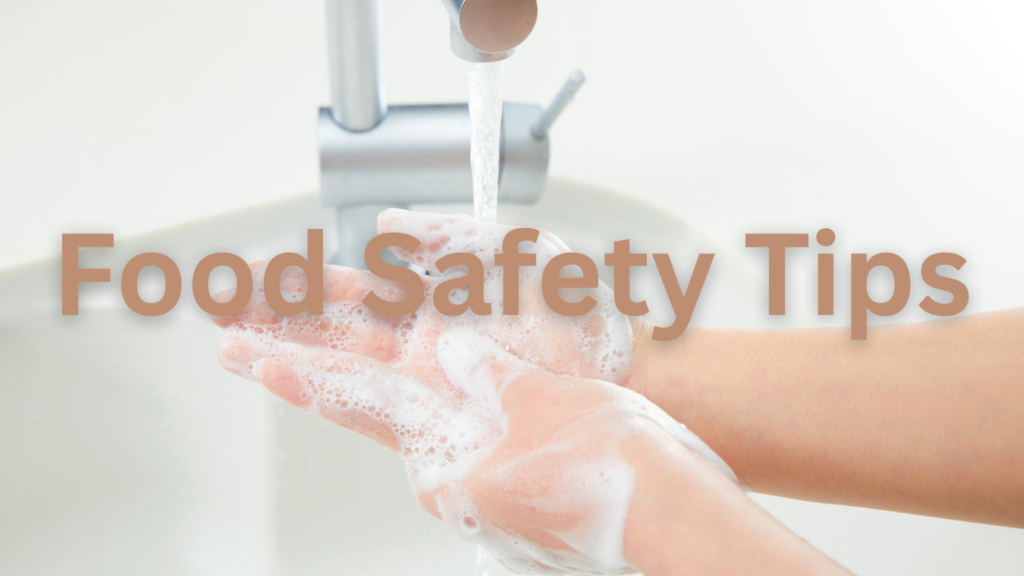
Why Food Safety Tips Matter
We all know the importance of eating foods that are good for us. But if we truly want to reap the benefits of healthy food, it is essential to prioritize food safety in our dietary practices. Without proper handling and preparation of the foods we consume, the potential advantages of receiving proper nutrition may be compromised.
Food safety is about more than just keeping food fresh. It’s about preventing harmful bacteria and pathogens from contaminating food and causing illness. According to the Centers for Disease Control and Prevention (CDC), 1 in 6 Americans suffer from foodborne illnesses every year, resulting in hospitalizations and, in extreme cases, death.
Practicing proper food safety is a healthy eating practice that should be adhered to as it will help reduce the risk of foodborne illnesses and ensure that the meals you prepare are both nutritious and safe for consumption.
Furthermore, understanding food safety practices, such as proper food handling and storage, is essential to prevent foodborne illnesses. Together, these elements contribute to a healthier lifestyle and a safer food environment, ultimately fostering better health outcomes for individuals and communities alike.
Basic Food Safety Tips
The core of food safety tips can be summarized by four simple principles:
Clean: Always wash your hands before preparing food, and after handling raw meat, poultry, seafood, or eggs. Clean all cooking surfaces, cutting boards, and utensils to remove any bacteria or food debris that could contaminate your dishes.
Separate: Separate raw meats, poultry, and seafood from other foods, especially those that won’t be cooked. Use separate cutting boards and utensils for raw and cooked foods to avoid cross-contamination.
Cook: Cook food to the right temperature. Many bacteria, such as Salmonella, E. coli, and Listeria, are destroyed at high cooking temperatures. Be sure to use a food thermometer to check internal temperatures.
Chill: Refrigerate perishable foods promptly. Refrigeration slows the growth of harmful bacteria. Foods should not be left out at room temperature for more than 2 hours (1 hour if the temperature is above 90°F).
Food Safety Tips During Preparation
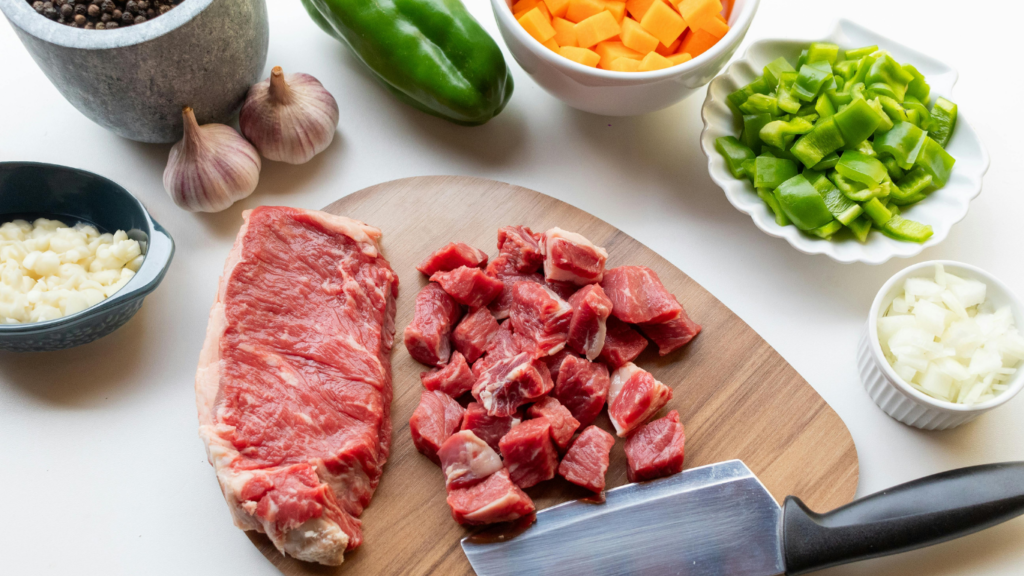
It’s important to always practice these food safety tips while preparing food:
Washing Hands and Surfaces: Proper handwashing is one of the most important food safety steps. Wash hands thoroughly with soap and water for at least 20 seconds before handling food and after touching raw meat, eggs, or any potentially contaminated surfaces. Clean cutting boards, countertops, and knives between tasks to avoid spreading bacteria.
Avoiding Cross-Contamination: Cross-contamination is the transfer of harmful microorganisms from one surface to another, often from raw meat to ready-to-eat foods. To prevent this:
- Use separate cutting boards for meats and vegetables.
- Never place cooked food on a plate that previously held raw food.
- Store raw meat, poultry, and seafood in the refrigerator at the bottom to prevent drips onto other foods.
Temperature Guidelines for Cooking
One of the most important food safety precautions for any cooking method is to cook various foods to their recommended minimum internal temperatures. These temperatures are established based on scientific research that identifies the heat levels necessary to eliminate harmful bacteria and pathogens that can cause serious health issues.
By adhering to these guidelines, individuals can significantly reduce the risk of contamination and ensure that the food they consume is safe. Moreover, proper cooking not only protects health but also enhances the overall quality and flavor of the food, making it a fundamental practice in culinary preparation.
Safe Internal Temperatures
- Poultry: 165°F
- Ground meats (beef, pork, veal): 160°F
- Steaks, roasts, and chops: 145°F
- Egg dishes: 160°F
- Fish and shellfish: 145°F
Use of Food Thermometers
The Right Way to Defrost
There are three safe ways to defrost meats and other foods that have been in the freezer:
- In the refrigerator: This is the safest method and ensures the food stays at a safe temperature.
- In cold water: Submerge the food in a sealed plastic bag and change the water every 30 minutes.
- In the microwave: Use the microwave’s defrost function and cook the food immediately afterward.
Never defrost food at room temperature, as this can lead to bacterial growth.
Defrosting Meat
Properly defrosting meat is essential to prevent foodborne illness by keeping it out of the 40ºF to 140ºF danger zone where bacteria can rapidly multiply. Safe thawing methods (in the refrigerator, cold water, or microwave) ensure even cooking, maintain food quality, and prevent cross-contamination.
Bacteria are dormant in frozen meat, but they become active and multiply quickly as the meat warms, particularly if left at room temperature for over two hours. Meat left on the counter allows the outer layer to reach dangerous temperatures while the center remains frozen, leading to unsafe bacterial levels.
Additionally, meat that is still partially frozen in the center will not cook evenly, which may leave the middle undercooked and fail to kill bacteria.
Slow, proper thawing prevents, or at least reduces, the loss of moisture, texture, and flavor, preventing the meat from becoming dry or damaged.
Storing Food
Proper food storage is essential for several reasons, primarily to ensure food safety and maintain quality. When food is stored correctly, it minimizes the risk of contamination and spoilage, which can lead to foodborne illnesses.
Additionally, appropriate storage methods help preserve the nutritional value and flavor of food, extending its shelf life and reducing waste. By adhering to proper storage guidelines, individuals can not only protect their health but also contribute to more sustainable consumption practices.
How to Store Food Safely
- Store raw meat on the bottom shelf of the refrigerator to avoid drips.
- Keep perishable foods like dairy, meat, and eggs refrigerated at or below 40°F.
- Use airtight containers to store leftovers and consume them within 3–4 days.
Common Foodborne Illnesses and Their Symptoms
Some of the most common foodborne illnesses include:
- Salmonella: Symptoms include diarrhea, fever, and stomach cramps.
- E. coli: Symptoms include severe stomach cramps, diarrhea (often bloody), and vomiting.
- Listeria: Symptoms include fever, muscle aches, and gastrointestinal symptoms.
If you experience symptoms like vomiting, diarrhea, or fever after consuming contaminated food, seek medical attention immediately.
Foodborne Illnesses and Meat
Improperly cooked meat poses significant risks, including foodborne illnesses (E. coli, Salmonella, listeria) from undercooking and cancer risks (HCAs/PAHs) from overcooking or charring. Key mistakes include not using a food thermometer, cooking while cold, and cross-contamination. This is especially true in ground meats where pathogens are distributed throughout.
Cooking meat at home allows you to control the quality of the meat, avoid excessive salt or preservatives, and ensure proper hygiene to prevent cross-contamination. Additionally, knowing how to cook meat correctly improves texture and flavor for a fulfilling main course dinner.
One-pot Meals
Side Dishes
While preparing and cooking side dishes may not seem a high risk for food poisoning, there are some important things to consider. These items served alongside the main course often consist of perishable items such as fresh produce, dairy products, seafood, meats and poultry. If these foods are not handled properly, you could be be putting yourself in harm’s way.
Begin by ensuring that all ingredients are fresh and properly stored, maintaining appropriate temperatures to inhibit bacterial growth. Use separate cutting boards and utensils for raw and cooked foods to avoid cross-contamination. Cook dishes to the recommended internal temperatures, using a food thermometer to verify doneness. Additionally, keep hot foods at a temperature above 140°F until serving, and promptly refrigerate any leftovers within two hours to maintain safety and quality.
Conclusion: Keeping Food Safe for All
By following these food safety tips, you can minimize the risk of foodborne illness and ensure that you and your loved ones enjoy safe, healthy meals. Practice cleanliness, prevent cross-contamination, cook food to safe temperatures, and store food properly to protect everyone in your household.